Black & Bronze Ceramic Bathroom Sink Set: Install + Care
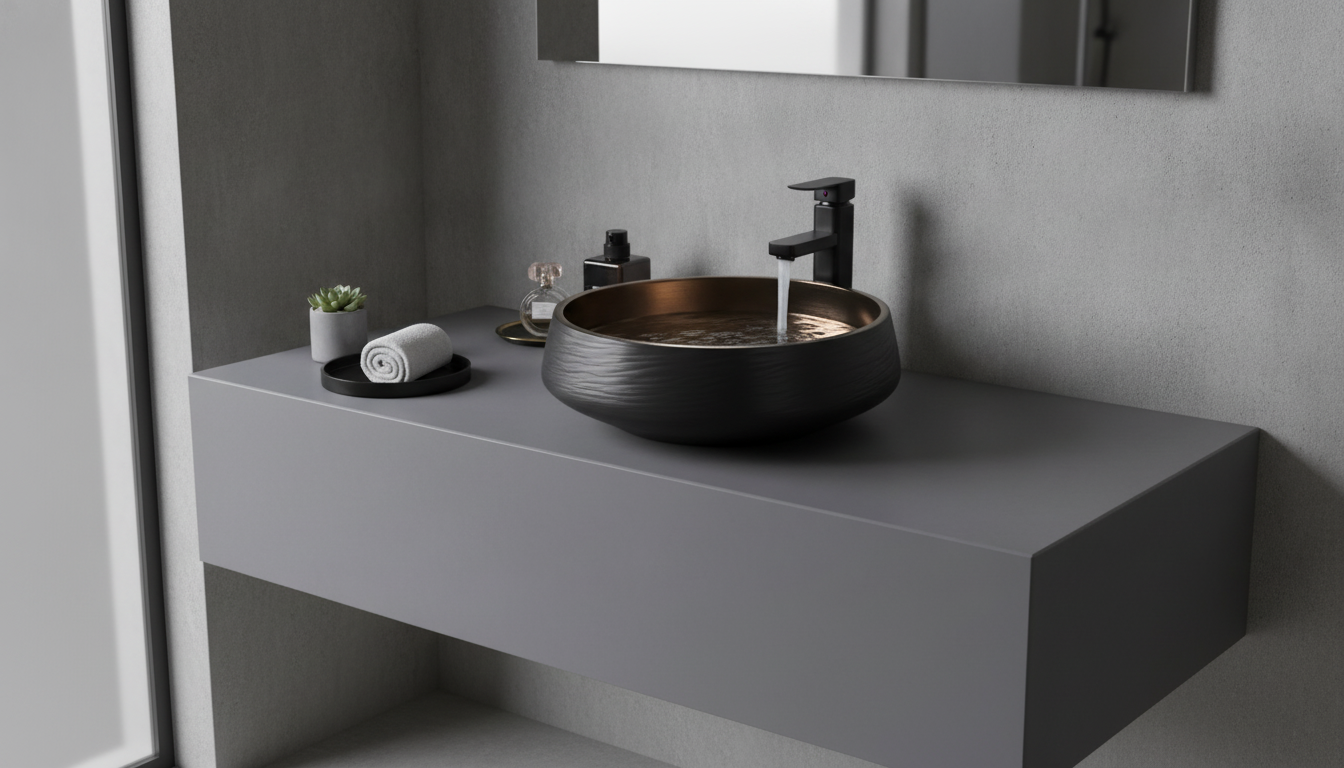
Deluxe Black and Bronze Ceramic Bathroom Sink Set: A Bold Vanity Centerpiece
A black-and-bronze sink set can anchor an entire bathroom design, balancing dramatic contrast with warm metallic accents. When the basin and hardware are coordinated, the vanity reads like a finished feature—clean, intentional, and easy to style around. Below is a practical guide to what to look for, how to plan the install, and how to keep both the ceramic and bronze-looking finish crisp over time so the upgrade still feels premium years from now.
What makes this sink set stand out
Black ceramic paired with bronze-toned hardware delivers a high-impact look without relying on busy patterns or heavy décor. The dark basin naturally becomes a focal point, while bronze adds warmth that keeps the palette from feeling stark or overly industrial.
- High-contrast style: deep black ceramic with bronze accents draws the eye and elevates simple vanities.
- Typically easy-care ceramic: a non-porous glaze helps resist everyday staining when cleaned with non-abrasive products.
- Flexible metal pairing: bronze can work alongside brushed nickel, matte black, or antique brass depending on lighting and nearby finishes.
- Best “showcase” locations: powder rooms, guest baths, or a refreshed primary vanity where the sink is fully visible.
Quick specs and what they mean for your bathroom
Before ordering any sink set, confirm exactly what comes in the box and how it connects to what you already have—countertop cutouts, faucet holes, drain style, and supply lines. Small mismatches can create big delays once the old sink is removed.
Planning checklist before purchase and installation
| Item to verify | Why it matters | What to measure/check |
|---|---|---|
| Vanity/counter space | Prevents overhang and awkward placement | Counter depth, available width, cabinet clearance |
| Faucet hole setup | Determines which faucet types fit | Number of holes, hole spacing, deck thickness |
| Drain + overflow | Avoids leaks and slow drainage | Drain diameter, overflow presence, trap alignment |
| Water supply lines | Ensures a clean, stress-free hookup | Valve location, line length, thread compatibility |
| Cleaning products | Protects ceramic glaze and bronze finish | Use pH-neutral, non-abrasive cleaners; avoid harsh acids |
Also consider water efficiency when selecting a faucet. Choosing a labeled, water-saving model can reduce waste without sacrificing performance; the EPA WaterSense program explains what to look for and why it matters in everyday use.
Design pairing ideas for black ceramic and bronze
Because black ceramic is visually “heavy,” surrounding materials and lighting determine whether the vanity feels airy and modern or rich and moody.
- Walls: warm whites, greige, and muted earth tones help bronze read rich rather than brassy.
- Counters: light stone or concrete-look surfaces highlight contrast; darker counters create a seamless, dramatic run across the vanity.
- Hardware coordination: repeat bronze once or twice (mirror frame, towel bar, cabinet pulls) so it feels intentional, not accidental.
- Lighting: warm-temperature bulbs emphasize bronze warmth; cooler bulbs can push it toward a darker, antique tone.
If the room is compact (like a powder room), a single hero element often works best: let the sink set lead, keep patterns minimal, and use a simple mirror to reflect light back onto the bronze finish.
Installation notes to avoid common mistakes
A clean install is mostly about prep and restraint. Ceramic and plated finishes look toughest when everything is aligned, sealed correctly, and tightened just enough.
- Dry-fit first: set the basin in place and confirm faucet/drain alignment before you commit with sealant.
- Use the right sealant: plumber’s putty or silicone may be appropriate depending on the drain and the manufacturer’s guidance for ceramic-to-metal interfaces.
- Avoid overtightening: ceramic can crack if drain fittings are torqued down aggressively; aim for snug plus a small turn.
- Confirm P-trap alignment and venting: slow draining is often a trap/vent issue rather than a basin problem.
- Test immediately: run water and check for seepage around the drain, supply connections, and any overflow channel.
For general home safety guidance—especially when working around water shutoffs, tools, and slippery surfaces—review the CPSC home safety resources before starting a DIY bathroom project.
Care and cleaning for lasting finish
Black ceramic looks its best when it’s free of mineral haze, and bronze finishes stay more even-looking when harsh chemicals are avoided. A simple routine usually beats occasional “deep cleans” with aggressive products.
- Wipe water spots regularly: mineral deposits can dull the sheen and make bronze appear uneven over time.
- Stick to soft materials: use non-abrasive cloths and pH-neutral cleaners; skip scouring pads and gritty powders.
- Address hard-water scale early: in high-mineral areas, use gentle, fixture-approved methods before buildup hardens.
- Protect the bronze: avoid bleach and strong acids; rinse well and dry after cleaning to prevent residue.
One easy habit that pays off: keep a soft microfiber cloth under the sink and do a quick dry-down after peak use (morning and bedtime). It helps preserve both the glossy ceramic and the warmth of the bronze finish.
Is this set the right fit for your renovation plan?
Featured products
FAQ
Does a bronze-finish faucet require special maintenance?
Use gentle, non-abrasive cleaners and a soft cloth, then rinse and dry to prevent spotting. Avoid bleach and strong acids, since the durability of the bronze look depends on the protective coating.
Will a ceramic sink scratch easily?
Ceramic glaze is hard and typically resists stains well, but abrasive pads and gritty cleaners can cause micro-scratches over time. Clean with mild, pH-neutral products and soft cloths to preserve the finish.
How can compatibility be confirmed with an existing vanity?
Measure the countertop depth/width, confirm cutout requirements, and verify faucet hole count/spacing and drain placement relative to the cabinet. Also check that supply lines can reach the faucet comfortably without kinks.
















Leave a comment