Art Deco Elegance Explained: Motifs, Colors & Materials
What is Art Deco elegance?
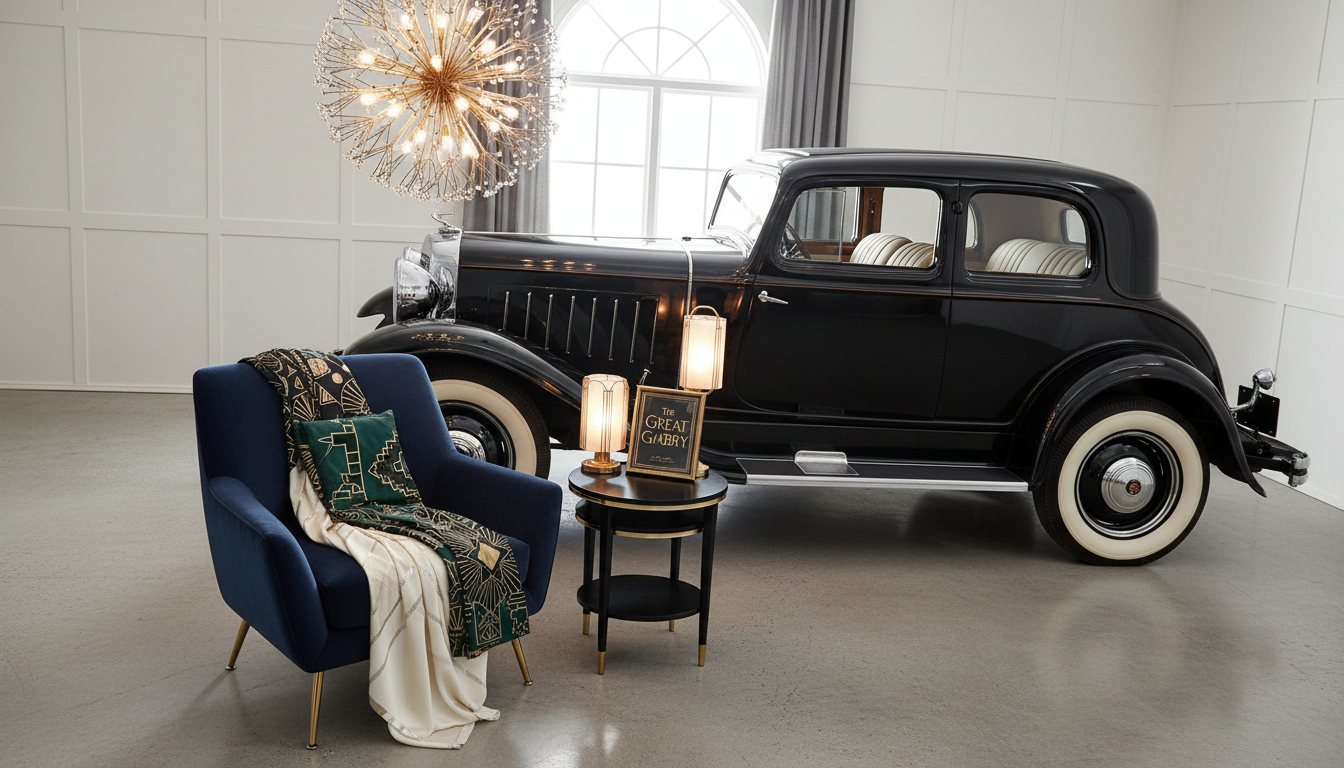
Art Deco elegance is a design style defined by confident geometry, refined glamour, and a sense of modern luxury. Emerging in the 1920s and flourishing through the 1930s, it celebrates clean lines, symmetrical layouts, and bold shapes—often softened by rich materials and polished finishes. The result feels both streamlined and opulent, balancing “machine-age” precision with a dressed-up, cocktail-hour vibe.
What makes Art Deco feel elegant?
Art Deco’s elegance comes from its disciplined structure and intentional contrast. You’ll often see strong, repeated motifs—chevrons, sunbursts, stepped forms, and fan shapes—arranged in balanced compositions that feel orderly and upscale. That structure is paired with luxe surfaces like lacquer, glass, mirrored accents, chrome, brass, and high-gloss woods, creating a look that’s crisp, bright, and celebratory rather than ornate or fussy.
Common Art Deco colors, materials, and patterns
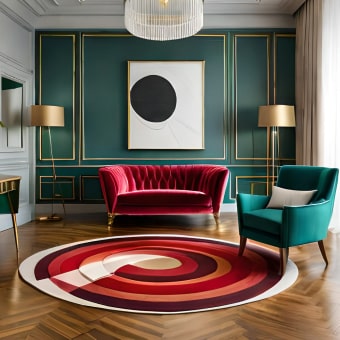
Art Deco palettes frequently combine high-contrast neutrals (black, white, cream) with jewel tones such as emerald, sapphire, and ruby. Metallics—especially gold, brass, and chrome—add sparkle and highlight edges. Materials skew toward the glamorous: velvet upholstery, marble, etched glass, inlaid wood, and glossy lacquer. Patterns lean geometric and graphic, with zigzags, angular florals, and repeating borders that frame a space like a tailored suit.
How to spot Art Deco elegance in interiors and products
In interiors, Art Deco elegance shows up in symmetrical furniture arrangements, statement lighting, and architectural details like stepped moldings or geometric inlays. In products and decor, look for streamlined silhouettes, faceted shapes, and metallic trim—think an arched mirror with a sunburst frame, a bar cart with chrome rails, or a vase with clean, stacked geometry. Even small touches—like a black-and-gold color scheme or a chevron pattern—can signal the style without overwhelming a room.
For a deeper breakdown of defining features and examples, visit this guide to Art Deco elegance.
FAQ
What are common Art Deco motifs?
Chevrons, sunbursts, stepped silhouettes, fan shapes, and bold geometric repeats are among the most recognizable Art Deco motifs. These patterns typically appear in symmetrical, high-contrast arrangements.








Leave a comment