New Kitten Feeding Guide: Food, Schedule & Easy Fixes
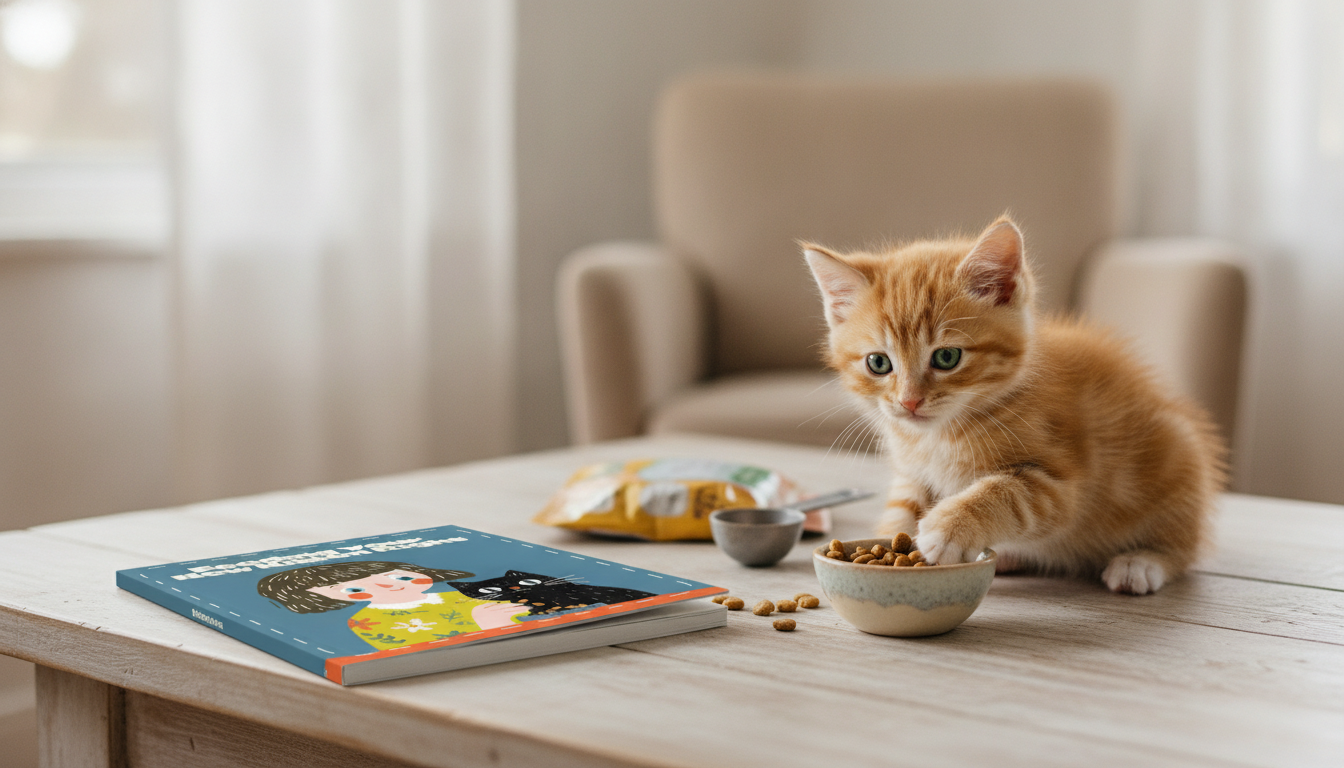
A new kitten’s first weeks at home set the foundation for growth, digestion, and lifelong eating habits. The right food, portion size, and routine can prevent stomach upsets, support steady weight gain, and reduce mealtime stress. Use this guide to choose an age-appropriate diet, build a simple schedule, and troubleshoot common feeding challenges.
Start With the Basics: What Kittens Need From Food
Kittens aren’t just “small cats”—they’re building muscle, bone, and brain tissue at a rapid pace. That’s why their food needs to do more than simply fill a bowl.
- Choose a diet labeled “complete and balanced” for growth (kitten life stage) and verified by a recognized standard (look for an AAFCO nutritional adequacy statement in the US).
- Prioritize higher protein and energy density than adult cat food; kittens grow fast and burn calories quickly.
- Look for essential fatty acids (including DHA when available) to support brain and vision development.
- Ensure appropriate minerals (especially calcium and phosphorus) for bone growth; avoid home-mixed diets unless formulated by a veterinary nutritionist.
- Fresh water should be available at all times; consider a wide bowl or fountain if drinking seems low.
For a deeper dive into life-stage feeding goals and practical checklists, the Feeding Your New Kitten Right | Essential Kitten Nutrition eBook can help you set up a simple plan from day one.
What Food to Start a New Kitten On (Wet, Dry, or Both)
The “best” starter diet is usually the one your kitten is already tolerating well. A stable beginning helps you learn what normal appetite, stool, and energy look like for your new pet.
- If the breeder/rescue provided a current food, start with that exact food for the first 7–14 days to minimize digestive upset, then transition gradually if switching.
- Wet food can support hydration and may be easier for very young kittens; dry food is convenient and can suit nibbling behavior—many kittens do well with a mix.
- For kittens under 8 weeks (ideally still with mom), a kitten milk replacer may be needed only if orphaned; avoid cow’s milk.
- Avoid adult maintenance foods, raw diets without professional formulation, and foods with unclear life-stage labeling.
- Treats should stay minimal and kitten-safe; avoid “people food” that can cause GI upset or toxicity (onions/garlic, chocolate, xylitol, grapes/raisins).
Quick guide to common starter options
| Option | Best for | Notes to watch |
|---|---|---|
| Kitten wet food (pâté or minced) | Young kittens, picky eaters, hydration support | Refrigerate leftovers; warm slightly to boost aroma; watch stool softness during changes |
| Kitten dry food (small kibble) | Convenience, free-choice nibbling in some homes | Measure daily amount; ensure water intake; avoid leaving out if weight gain is rapid |
| Mixed wet + dry | Balanced routine and flexibility | Track total calories across both; keep a consistent schedule to reduce begging |
| Kitten milk replacer (as directed) | Orphaned or very young kittens under veterinary guidance | Mix exactly per instructions; poor mixing can cause diarrhea or dehydration |
Feeding Schedule by Age: How Often and How Much
Meal frequency changes quickly during kittenhood. The goal is steady growth without digestive drama or constant grazing.
- Very young kittens need frequent small meals; as they age, meal frequency can gradually decrease while total daily intake increases with growth.
- Use the package feeding guide as a starting point and adjust based on body condition, energy level, and weekly weight trends.
- A healthy kitten typically gains weight steadily; sudden drops, poor appetite, or lethargy warrant a veterinary check.
- If using both wet and dry, choose a repeatable pattern (example: wet at breakfast/dinner, measured dry as a midday meal).
- Avoid “all-day unlimited” feeding for kittens that overeat; measured portions can prevent digestive upset and excessive weight gain.
Typical meal frequency and routine (general guidance)
| Kitten age | Meals per day | Practical routine tip |
|---|---|---|
| 6–8 weeks | 4–6 | Small portions; prioritize easy-to-eat textures; keep meals calm and predictable |
| 8–12 weeks | 4 | Set meal times; remove leftovers after 20–30 minutes to prevent grazing habits |
| 3–6 months | 3 | Increase portion as growth accelerates; monitor stool and adjust slowly |
| 6–12 months | 2–3 | Transition toward a young-cat routine; reassess calories if spayed/neutered |
Switching Foods Without Upset Stomachs
Most “food problems” in new kittens are really “too much change at once” problems. A slow transition lets the gut adjust and makes it easier to spot what’s causing trouble.
Making Mealtimes Easy: Bowls, Locations, and Routine
Common Feeding Problems and Simple Fixes
A Step-by-Step Plan for the First 14 Days at Home
Helpful Resources (Shop)
- Feeding Your New Kitten Right | Essential Kitten Nutrition eBook
- Elegant Ebony Genuine Leather Rocking Chair (a comfortable spot for late-night check-ins and calm feeding routines)
Trusted guidance from veterinary organizations
For additional nutrition and life-stage recommendations, review the WSAVA Global Nutrition Guidelines and the AAHA Life Stage Guidelines.
FAQ
What food should a new kitten start on?
Start with the same kitten-labeled food your kitten was already eating for the first 7–14 days. Choose a complete and balanced growth formula, and transition slowly if you plan to change brands, proteins, or textures.
How often should a kitten eat each day?
Younger kittens usually need 4–6 small meals daily. Most move to 3 meals by 3–6 months and 2–3 meals by 6–12 months, adjusted for body condition, appetite, and veterinary guidance.
Is wet food or dry food better for kittens?
Either can work if it’s complete and balanced for growth. Wet food supports hydration and is often more aromatic, while dry food is convenient; many kittens do best with a measured combination.















Leave a comment