Dog Personality Match: Choose a Breed That Fits You
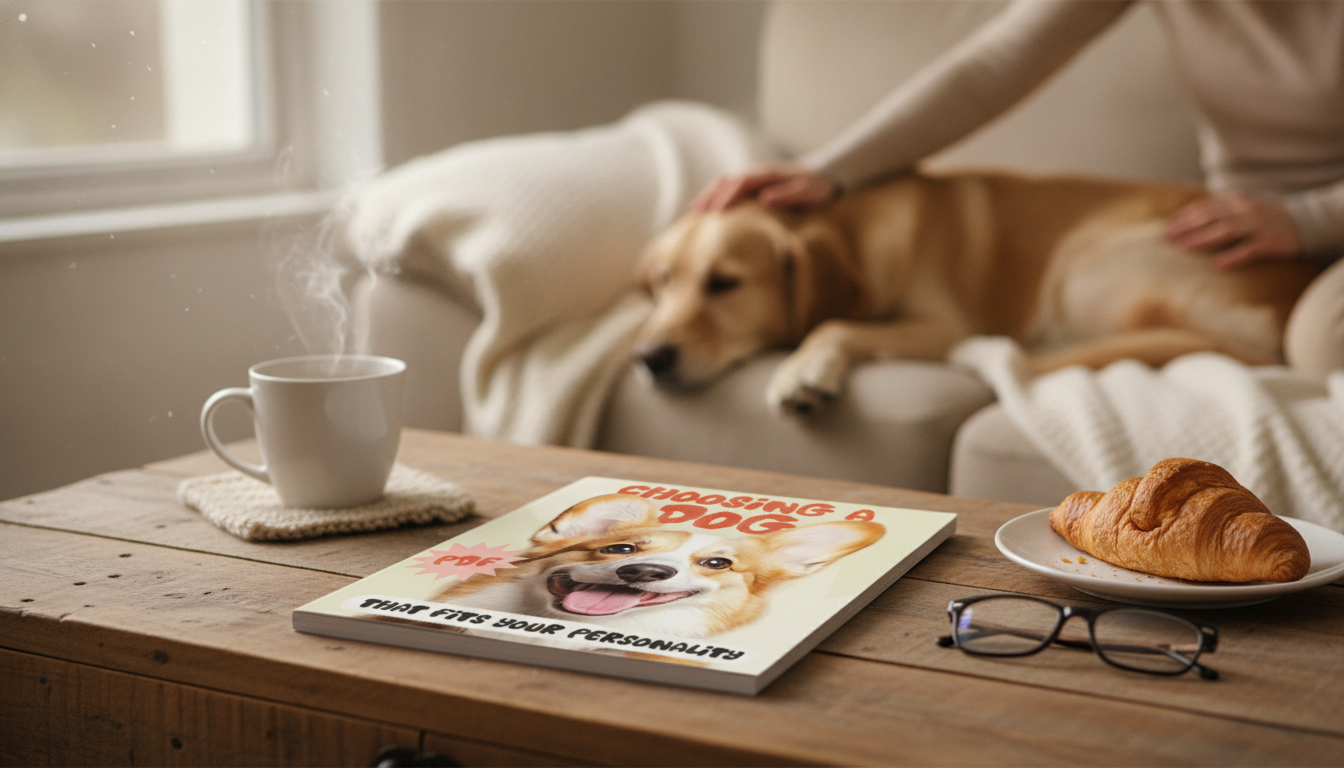
Choosing a Dog That Fits Your Personality
A good dog match is less about trends and more about everyday compatibility: energy level, social needs, tolerance for noise and mess, and how much structure a home can realistically provide. By mapping a few personality traits to a dog’s drive, sensitivity, and exercise needs, it becomes easier to narrow choices to dogs that feel like a natural fit—both for the person and the dog.
Start with the life you actually live
Before falling for a breed label or a cute photo, set a realistic baseline for what daily life can support. Walking, training, grooming, and calm companionship all count—not just playtime.
- Set a daily time budget: factor in morning/evening potty breaks, at least one walk, training minutes, and downtime together.
- Identify routine constraints: long workdays, frequent travel, shared housing rules, allergies, or limited outdoor access will shape the best fit.
- Define “a good day”: quiet evenings, a busy social calendar, outdoor adventures, or structured training goals all point to different dog needs.
- Be honest about stress tolerance: some dogs bring constant motion and problem-solving; others are content with predictable, low-key days.
Personality traits that matter most in a dog match
Dogs don’t need a perfect owner—just a consistent one whose household fits their wiring. These traits usually make the biggest difference once the novelty wears off.
- Energy and pace: high-energy dogs thrive with active, consistent outlets; low-to-moderate dogs often fit calmer households.
- Independence vs. togetherness: some dogs shadow their people; others are comfortable entertaining themselves between check-ins.
- Sociability: consider comfort with visitors, children, other dogs, and busy neighborhoods.
- Sensitivity: noise, chaos, and inconsistent handling can overwhelm sensitive dogs; steady environments help them shine.
- Structure needs: certain dogs do best with clear rules, training sessions, and “jobs”; others are easiergoing with lighter guidance.
- Grooming and maintenance tolerance: some people enjoy brushing and coat care; others prefer a simpler routine.
Quick matching guide: personality style to dog tendencies
Think of this as a shortcut for narrowing options. It’s not a guarantee—individual temperament, age, and history still matter—but it can prevent the most common mismatches.
Personality-to-dog compatibility snapshot
| Your style | Dog traits that usually fit | Common mismatches to avoid | Breed examples (not guarantees) |
|---|---|---|---|
| Adventurer | High endurance, enjoys training, needs daily outlets | Very low-energy dogs; dogs that struggle with long outings | Labrador Retriever, Border Collie, Australian Shepherd |
| Homebody | Calm companion, enjoys short walks and lounging | Dogs that require intense daily exercise and constant enrichment | Cavalier King Charles Spaniel, Bichon Frise, Shih Tzu |
| Social Connector | Generally friendly, confident, adaptable to visitors | Very reserved dogs without a socialization plan | Golden Retriever, Poodle, Boxer |
| Organized Planner | Biddable, motivated by learning, thrives on routine | Highly independent dogs if expecting quick off-leash reliability | German Shepherd (well-bred), Shetland Sheepdog, Standard Poodle |
| Easygoing Minimalist | Moderate needs, flexible temperament, manageable grooming | Extremely vocal or high-drive working types if time is limited | Beagle (with exercise), Whippet, Mixed-breed with known temperament |
Breed group clues—and why individuals still vary
Breed groups can help predict tendencies, but they don’t replace meeting the dog. Early socialization, genetics, training style, and environment all shape what “shows up” day to day. For broad breed background, the American Kennel Club breed directory is a useful reference point.
- Sporting dogs: often love activity, retrieving, and people time; many do best with daily exercise and engagement.
- Herding dogs: typically alert and intelligent; commonly need training, enrichment, and a plan for mental stimulation.
- Terriers: can be bold and persistent; may bring strong prey drive and need thoughtful outdoor management.
- Hounds: often scent-driven; can be wonderful companions but may be less focused off-leash without training.
- Toy/companion breeds: frequently people-oriented; many fit smaller living spaces but still need exercise and training.
- Working/guardian types: may require experience, socialization, and clear boundaries; often thrive in structured households.
Lifestyle fit checks before choosing a dog
Compatibility is usually won or lost in the small details: noise, neighbors, climate, and daily logistics. The ASPCA’s dog care resources and the AVMA’s pet owner guidance can help set expectations for ongoing care.
How to test compatibility before committing
A simple way to narrow choices with a personality-based guide
For a step-by-step matching worksheet and breed tendencies by personality style, use the Personality-Based Dog Breed Match eBook Guide.
Shop picks that support your lifestyle planning
- Choosing a Dog That Fits Your Personality | How to Choose a Dog Based on My Personality | Personality-Based Dog Breed Match eBook Guide
- Elegant Ebony Genuine Leather Rocking Chair
- 200/2400mm High-Power Astronomical Telescope for Stargazing Enthusiasts
FAQ
Can a dog’s personality change after adoption?
Yes. Many dogs need a decompression period that can take weeks to months, and a stable routine with consistent cues often helps their “everyday” temperament show more clearly. Training, predictable schedules, and calm handling can reduce stress behaviors that look like personality at first.
Is it better to choose a breed or an individual dog?
Breed tendencies can guide expectations, but an individual dog’s temperament, age, and prior experiences strongly shape daily fit. Meeting the dog multiple times and reviewing notes from a foster, shelter, or reputable breeder usually leads to better matches than choosing by breed alone.
What if the perfect personality match has higher exercise needs than expected?
Build support into the plan: hire a dog walker, add structured enrichment and training games, or use daycare when appropriate for the dog. If time is tight, consider choosing an adult dog with a known energy level rather than a puppy.













Leave a comment