AI Home Styling: Personalized Modern Room Plan in Minutes

How to Use AI for Personalized Home Styling
AI can help translate personal taste, room constraints, and budget into actionable styling choices. With a few photos, measurements, and a clear direction, it becomes easier to test layouts, refine a modern look, and build a shopping plan without costly trial and error.
Start With a Style Brief That Actually Guides Decisions
Before generating ideas, create a short “style brief” that keeps recommendations practical instead of overly decorative or scattered.
- Define the room’s job and mood: Is it primarily for work, lounging, dining, or being guest-ready? Pick a mood like calm, energetic, cozy-minimal, or gallery-like.
- List fixed elements: Flooring, windows, radiators, built-ins, and architectural details shape what will look intentional and what will feel forced.
- Set 3–5 non-negotiables: Examples: low-maintenance fabrics, kid/pet friendly, hidden storage, warm wood tones, black accents.
- Create a simple budget split: Anchor pieces (sofa/bed), supporting pieces (chairs/rug), finishing layer (lighting/art/decor).
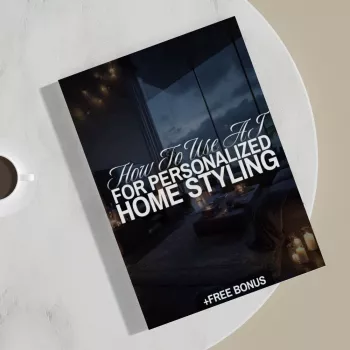
If you want a structured way to capture these decisions (and reuse them for future rooms), the digital guide How to Use AI for Personalized Home Styling | Digital Guide for Modern Home Design, AI-Powered Interior Inspiration & Easy Styling Tips can help you turn preferences into a consistent plan you can follow while shopping.
Collect Inputs AI Can Use: Photos, Measurements, and Constraints
AI performs best with clear visuals and real measurements. Small details like ceiling height or door swing often determine whether a “perfect” layout is actually livable.
- Take 3–5 well-lit photos: Shoot from corners and straight-on walls. Include ceiling line and floor so scale reads correctly.
- Capture key measurements: Wall lengths, ceiling height, window widths, door swings, and walkway clearances.
- Note light conditions: Bright morning glare vs. dim evenings changes paint, rug, and lighting decisions.
- Document practical limits: Rental rules, weight limits for wall mounting, and outlet/switch locations.
| Step | What to provide | What you get back |
|---|---|---|
| 1 | Room photos + 5–10 measurements | A usable room snapshot and key constraints |
| 2 | Mood references (3–10 images) + 3 non-negotiables | A clear style direction and palette options |
| 3 | Current items list (keep/replace) + budget range | Priority shopping list and spending split |
| 4 | Layout goals (seating count, storage needs, TV placement) | Layout options and placement rationale |
| 5 | Finish preferences (wood tones, metals, textiles) | Coordinated materials and finishing details |
| 6 | Final review checklist | A practical plan to implement without overbuying |
Use AI for Layout Ideas Without Losing Real-World Function
Layout is where AI can save the most time, as long as every suggestion is checked against circulation and daily routines.
- Request multiple variations: Ask for conversation-focused, TV-focused, and hybrid layouts, then compare sightlines and walkways.
- Stress-test each plan: Confirm clear paths (entry to seating, sofa to kitchen, bed to closet) and door clearance so the room doesn’t “work” only on screen.
- Keep modern negative space intentional: Fewer, better pieces typically read more modern than a room filled with small décor.
- Lock anchors first: Place the sofa/bed/dining table, then layer lighting, textiles, and décor around those decisions.
When AI suggests furniture, treat dimensions like a contract: compare the recommended width, depth, and height to your measurements and delivery constraints (hallways, stairs, elevator). This simple check prevents the most expensive mistake: ordering a great-looking piece that cannot physically fit the space.
Generate a Modern Palette and Material Mix That Feels Cohesive
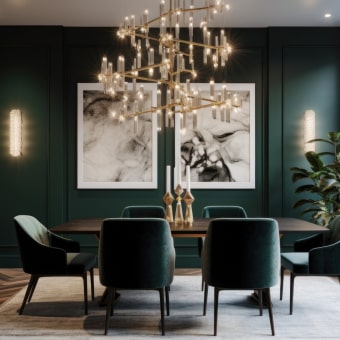
Cohesion is less about matching everything and more about repeating a few intentional cues.
For lighting choices that support this palette, it helps to understand how different layers of light affect comfort and visibility. The U.S. Department of Energy’s Lighting Handbook is a useful reference for thinking through ambient, task, and accent lighting in a way that supports how a room is actually used.
AI-Powered Interior Inspiration That Matches What You Already Own
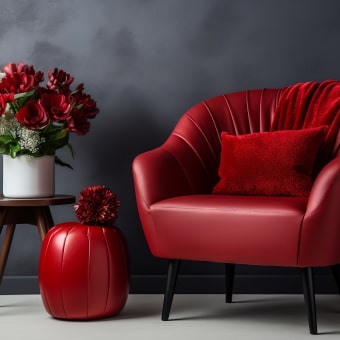
Example: if you’re adding a statement seat to a modern living room, a strong silhouette in a durable material can become the focal point. The Elegant Ebony Genuine Leather Rocking Chair can work as an anchor accent—especially when AI recommends repeating ebony/black accents in hardware, frames, or lighting to tie the room together.
Easy Styling Tips: The Finishing Layer That Makes It Look Designed
Guardrails: Privacy, Accuracy, and Avoiding Expensive Mistakes
For a practical lens on responsible AI use (including considerations around reliability and risk), the NIST AI Risk Management Framework (AI RMF 1.0) offers helpful guidance that aligns well with using AI as decision support rather than a final authority.
FAQ
What information is needed to get good AI styling suggestions?
Provide well-lit photos from multiple angles, a handful of key measurements, and a clear list of what stays versus what you want to replace. Add your budget range and 3–5 style preferences or reference images so recommendations stay consistent.
Can AI help with modern home design if the space is small or awkward?
Yes—share constraints like door swings, walkway clearances, window placement, and fixed features so layout ideas remain realistic. Compare multiple options, then validate each one with your measurements and daily traffic flow before buying anything.
How can AI ideas look cohesive instead of random?
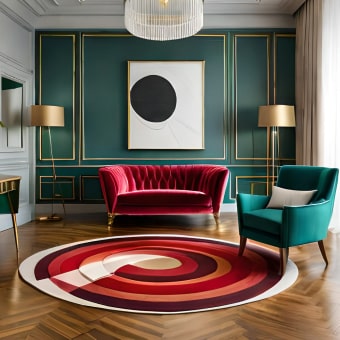
Keep the palette and finishes limited, then repeat a few cues—like one wood tone, one metal finish, and one accent color—across the room. Use a finishing checklist for rug size, lighting layers, and art scale so details reinforce the same direction.











Leave a comment