5-Stage Portable RO Water Purifier: Clean Taste, Less Waste
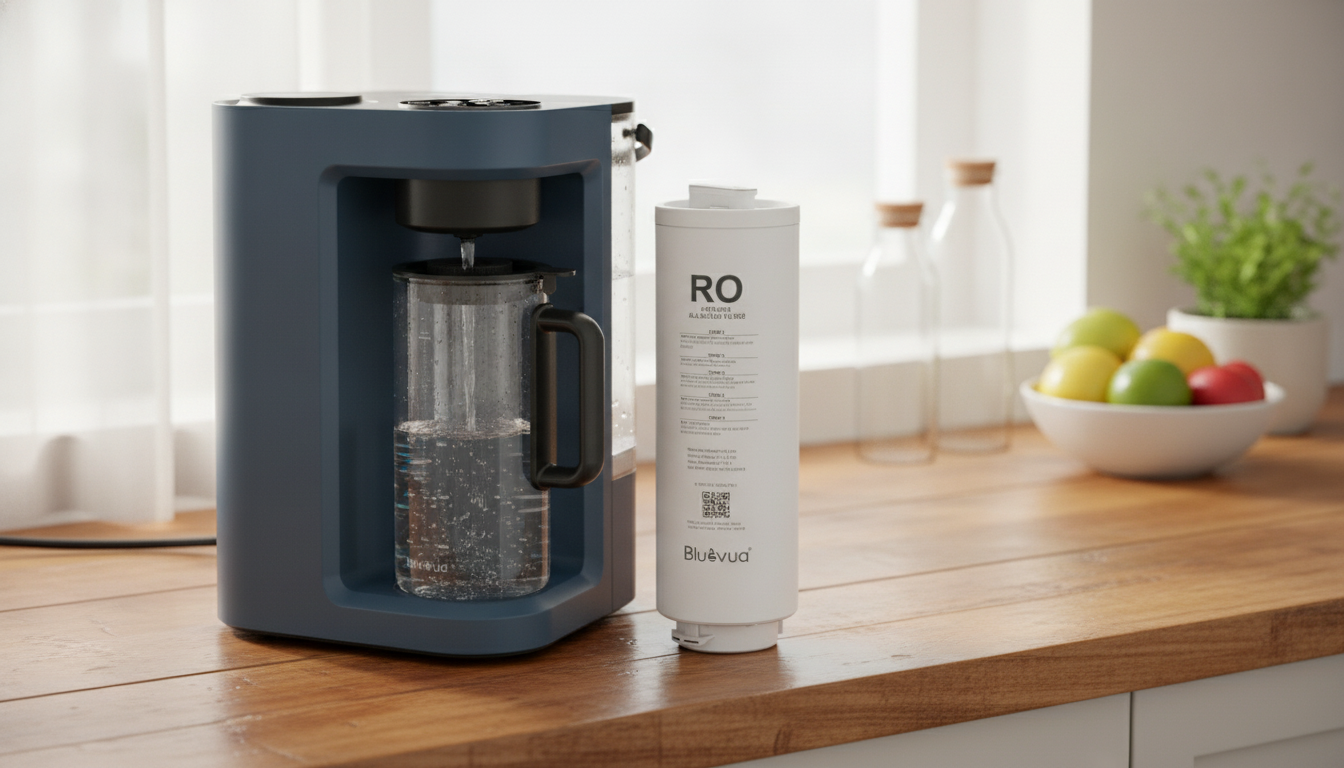
5-Stage Portable Reverse Osmosis Water Purifier: Efficient & Eco-Friendly
A portable reverse osmosis (RO) purifier can deliver consistent, great-tasting water in places where tap quality is uncertain or bottled water is impractical. This 5-stage system focuses on strong filtration performance while keeping day-to-day use simple—ideal for apartments, travel setups, and small households that want cleaner water with less waste.
What “5-stage” reverse osmosis means
Reverse osmosis is a pressure-driven process that pushes water through a semipermeable membrane, helping reduce dissolved solids that many basic pitcher-style filters don’t fully address. A “5-stage” design typically combines multiple pre-filters (to catch particles and reduce chlorine and other compounds) with the RO membrane, followed by post-filtration to polish taste and odor.
Those stages aren’t just extra parts—they’re a protective system. Pre-filtration can reduce the load on the RO membrane, helping it resist premature clogging and supporting steadier flow and more consistent water quality over time.
How the filtration process works (stage by stage)
While exact cartridges vary by model, a typical 5-stage portable RO setup follows a practical sequence: start by removing larger debris, then reduce chlorine and organics, then address dissolved solids with the membrane, and finish by polishing taste for a clean, neutral sip.
Filtration stages at a glance
| Stage | Primary job | Typical impact on water |
|---|---|---|
| 1. Sediment | Captures grit and particulates | Clearer water; reduces downstream clogging |
| 2. Carbon (pre) | Reduces chlorine and some organics | Improved taste/odor; protects membrane |
| 3. RO membrane | Reduces dissolved solids | Lower TDS; cleaner, crisper profile |
| 4. Carbon (post) | Polishes taste | Less odor; smoother flavor |
| 5. Conditioning/polish | Final refinement (design-dependent) | More consistent drinking experience |
What each stage contributes
- Sediment filtration: Helps reduce larger particles such as rust, sand, and silt that can affect clarity and clog later filters.
- Carbon filtration: Helps reduce chlorine taste/odor and many organic compounds; also supports better membrane performance by lowering oxidative stress from disinfectants.
- RO membrane: Targets dissolved solids (often discussed as TDS), helping reduce a broad range of inorganic contaminants.
- Post-carbon/polishing: Refines taste and smell after membrane filtration for a cleaner finish.
- Final conditioning stage: Varies by cartridge configuration; may focus on taste balancing or additional adsorption for a more uniform cup-to-cup result.
What it can help reduce—and what it won’t
RO purification is often chosen for noticeable improvements in taste and odor (especially where chlorine is used for municipal disinfection), plus reduced dissolved solids and a clearer appearance. In many cases, RO membranes are also associated with reduction of certain inorganic compounds and some heavy metals when present—though real-world performance depends on membrane specifications, feedwater chemistry, and proper maintenance.
It’s equally important to understand what a portable RO purifier is not. If the water source is microbiologically unsafe (for example, during certain contamination events or when using an unknown untreated source), additional disinfection guidance may be required depending on the system’s certifications and local advisories. For context on contaminants and health considerations, see the EPA’s overview of drinking water contaminants at epa.gov and the WHO drinking-water guidelines at who.int.
Also note that very hard water can shorten filter life. In high-scale environments, timely cartridge changes and strong pre-filtration matter even more to keep performance steady and avoid sudden drops in flow.
Efficiency and eco-friendly considerations
For many households, the biggest sustainability win is simply reducing dependence on single-use bottled water—less plastic, less transport, and less storage clutter. A portable RO purifier can support that shift without requiring permanent plumbing changes, which makes it appealing for renters and temporary living situations.
If third-party testing or certification is available, it can help clarify what a given unit is designed to reduce. NSF provides background on standards and certification context here: nsf.org.
Where a portable RO purifier fits best
Setup, use, and maintenance essentials
Practical buying considerations for this category
Product spotlight: 5-Stage Portable Reverse Osmosis Water Purifier
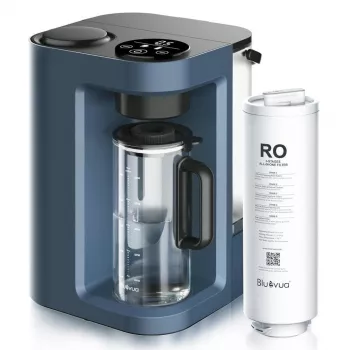
The 5-Stage Portable Reverse Osmosis Water Purifier: Efficient & Eco-Friendly is designed around a multi-stage approach to improve taste and reduce dissolved solids for everyday drinking water. Its portable form factor supports flexible placement for non-permanent living situations, and it’s positioned as an efficiency- and eco-conscious alternative to frequent bottled-water purchases.
Quick facts
| Detail | Value |
|---|---|
| Name | 5-Stage Portable Reverse Osmosis Water Purifier: Efficient & Eco-Friendly |
| Price | $911.99 USD |
| Availability | In stock |
| Product page | View product |
More in-stock picks (popular on our site)
- How Much Driving Makes a Car Worth It – Practical Guide to Decide How Often Do I Need to Drive to Justify a Car
- 200/2400mm High-Power Astronomical Telescope for Stargazing Enthusiasts
- Elegant Ebony Genuine Leather Rocking Chair
FAQ
Does reverse osmosis remove minerals—and is that a problem?
RO reduces dissolved minerals along with other dissolved solids. For most people it’s not a problem for drinking water because diet is the main mineral source, though taste preferences vary and some systems include a final conditioning step to refine flavor.
How often do the filters need to be replaced?
Replacement timing depends on water quality and usage, but pre-filters are commonly changed more often than the RO membrane. Follow the product’s recommended schedule and use changes in taste or flow as practical cues that a stage may be due.
Is a portable RO purifier suitable for travel or temporary housing?
Yes—portable RO can be a strong fit for rentals, temporary housing, and extended stays where local water taste is inconsistent. Portability is mainly about easy setup and storage, and it’s still important to follow local advisories if microbiological safety is a concern.














Leave a comment