Cordless Pool Robot Cleaner: Smart Nav + 5000mAh Guide
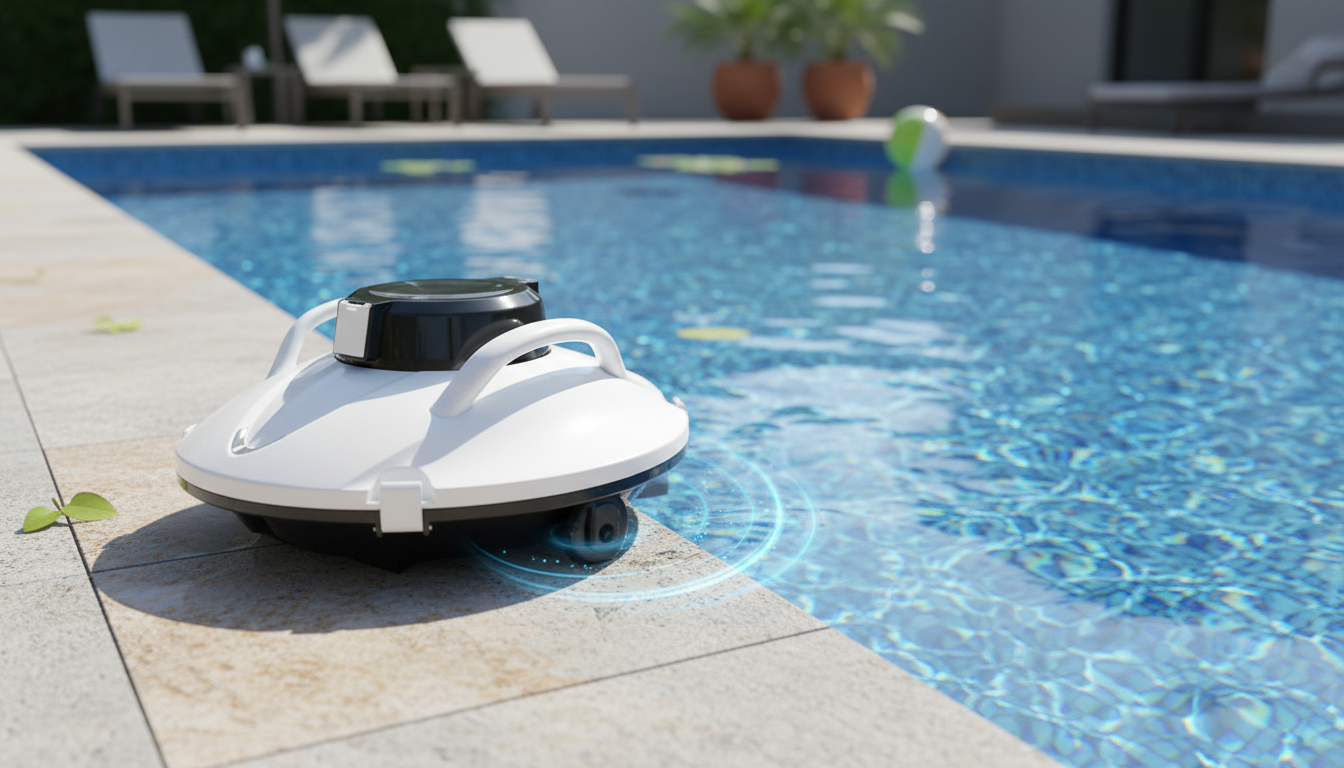
Effortless Pool Maintenance with a Cordless Robot Cleaner
A cordless pool robot can simplify routine maintenance by handling day-to-day debris pickup without hoses, tangled cords, or complicated setup. If you’re considering a smart-navigation model powered by a 5000mAh battery, the goal is straightforward: drop it in, let it work, rinse the filter, and get back to enjoying the water. Below is what this type of cleaner is typically designed to do, how smart navigation affects coverage, what a 5000mAh battery usually translates to in real-world use, and how to build a routine that keeps your pool looking consistently clean.
What This Cordless Pool Robot Is Designed to Do
A cordless robot pool cleaner operates independently, traveling along the pool floor (and, depending on the model, potentially other surfaces) while pulling debris into an internal filter or basket. Because it doesn’t rely on a long power cord or a connection to your pool pump, it’s well suited to quick maintenance sessions—especially during high-use weeks or after windy days.
- Cleans pool surfaces by moving independently and collecting debris into an internal filter/basket system (exact filter spec depends on the unit configuration).
- Uses smart navigation to reduce missed spots and avoid spending too much time in one area.
- Cordless operation supports quick drop-in cleaning sessions without managing a floating power cable.
- Battery-powered cleaning is suited for maintenance runs between deeper manual cleanings or professional service visits.
- Best results come from pairing robot runs with balanced water chemistry and consistent skimming.
Pool robots help with debris and appearance, but they don’t replace essential safety and water-care habits. For chemical handling and healthy swimming basics, see the CDC’s Healthy Swimming guidance. For broader pool and spa safety tips, the U.S. Consumer Product Safety Commission is also a solid reference.
Smart Navigation: How Coverage Typically Improves
Basic pool robots can move in patterns that feel random. Smart navigation generally aims to create a more deliberate route, which often improves coverage consistency—especially on flat floors with minimal obstacles. That said, even “smart” systems are still influenced by the pool environment: corners, slopes, steps, surface texture, and how debris is distributed across the floor.
- Navigation logic generally aims to create a more deliberate path than purely random movement, which can help with overall coverage consistency.
- Edge and wall behaviors (such as turning patterns and direction changes) influence whether debris near transitions is picked up reliably.
- Performance varies with pool shape, slopes, steps, and surface texture; flat floors are usually the simplest for coverage.
- Removing large obstacles (toys, floating thermometers, loose brushes) helps prevent interruptions and reduces the chance of the robot getting stuck.
Common factors that affect cleaning coverage
| Factor | What to watch for | Quick fix |
|---|---|---|
| Pool shape | Tight corners and complex contours can increase missed spots | Run extra cycles or reposition robot between runs |
| Debris type | Fine silt behaves differently than leaves and twigs | Brush surfaces first if silt is heavy; empty filter mid-run if needed |
| Steps/ledges | Robots may avoid or bump repeatedly | Clear the area and run a shorter maintenance cycle more often |
| Waterline and walls | Some units focus more on floor than walls | Confirm intended cleaning surfaces and adjust expectations accordingly |
5000mAh Battery: What It Usually Means in Real Use
A 5000mAh battery is typically chosen to support a practical cleaning session without the interruption of a cord. In day-to-day terms, higher capacity often helps the robot maintain steadier suction and movement through a full cycle—particularly when it’s navigating more turns or working through moderate debris.
- A higher-capacity battery typically supports longer sessions and steadier suction performance across a single cycle.
- Runtime varies based on motor load, debris volume, water temperature, and how often the robot changes direction.
- Charging time and battery protection (overcharge/overheat safeguards) affect convenience and long-term durability.
- For best battery longevity, avoid storing fully discharged for long periods and keep the unit dry and shaded when not in use.
For many owners, the battery advantage is less about chasing the longest possible runtime and more about making maintenance feel easy: run it often enough that debris never gets the chance to build into a bigger job.
Setup and Weekly Routine That Fits Most Pools
A simple routine keeps performance consistent and reduces the chance that debris overwhelms the filter early in a run. The goal is to make each cleaning session short, repeatable, and low-effort.
Care, Storage, and Simple Troubleshooting
Who This Type of Cleaner Fits Best
Available Products
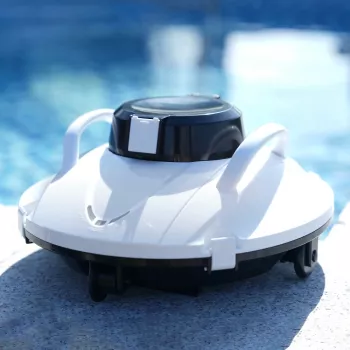
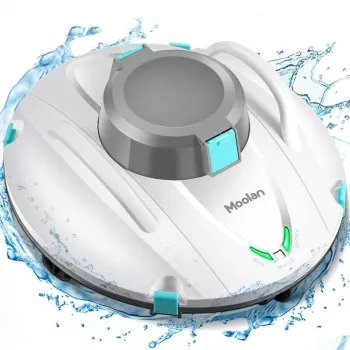
- Efficient Cordless Robot Pool Cleaner with Smart Navigation and 5000mAh Battery ($331.17)
- How Much Driving Makes a Car Worth It – Practical Guide to Decide How Often Do I Need to Drive to Justify a Car ($11.99)
- 200/2400mm High-Power Astronomical Telescope for Stargazing Enthusiasts ($4,763.99)
FAQ
How long does a 5000mAh cordless pool robot typically run per charge?
Runtime varies with debris load, water temperature, and how much turning the navigation system does, but many 5000mAh units are designed to support a full maintenance session rather than a few minutes of spot cleaning. Heavy debris and frequent direction changes usually shorten runtime.
Does smart navigation guarantee full pool coverage every cycle?
No—smart navigation typically improves consistency, but coverage still depends on pool shape, slopes, steps, surface texture, and obstacles. For complex pools, an extra cycle or repositioning the robot between runs can help reduce missed areas.
How often should the filter be cleaned?
Rinsing the filter after every run helps keep suction and movement consistent. During heavy debris periods, it may also need to be emptied mid-cycle to prevent early shutdowns or reduced pickup.













Leave a comment