AI vs Smart: How Learning Differs From Automation
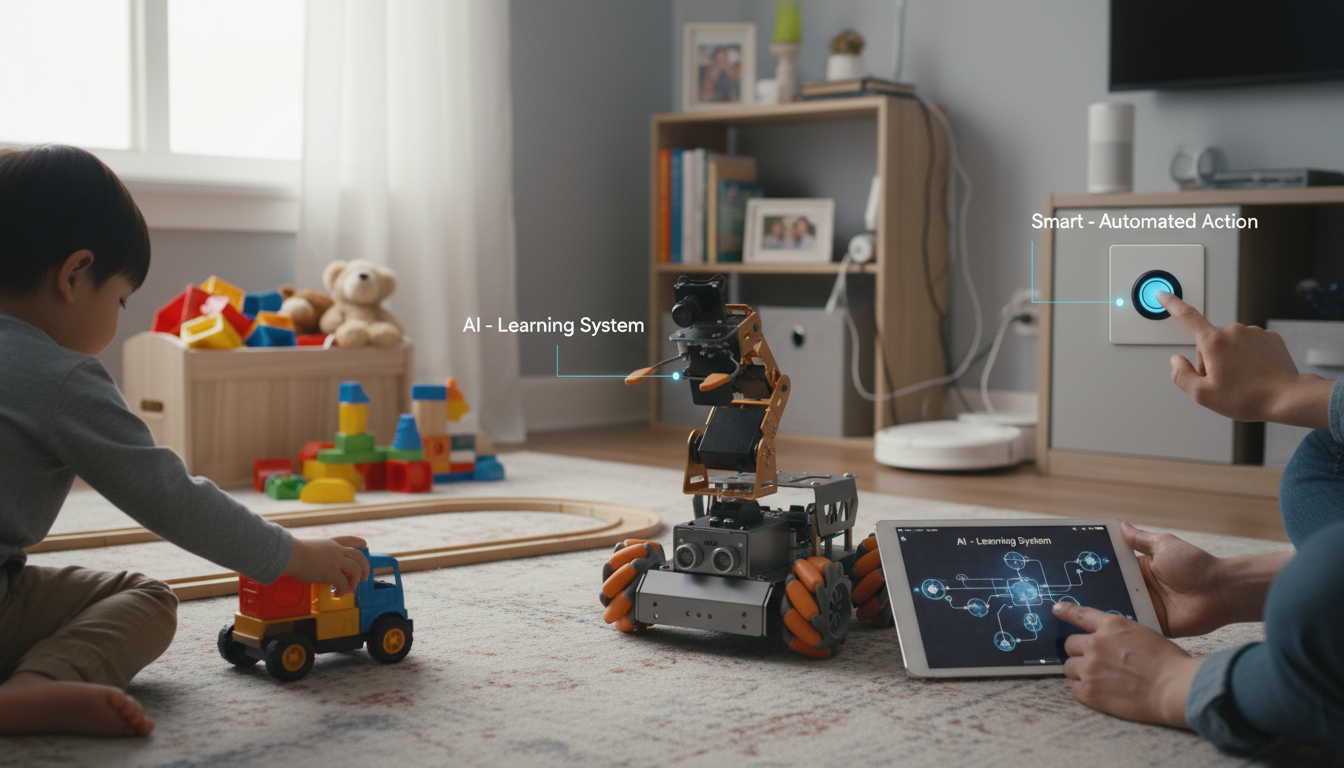
What is the difference between AI and smart?
“Smart” usually means a product can sense something, follow programmed rules, and perform convenient actions—like turning lights on at sunset or sending a notification when a door opens. “AI” (artificial intelligence) goes further by learning from data, recognizing patterns, and making decisions that aren’t limited to a fixed set of if/then instructions.
Smart: rules-based automation
A smart device is typically predictable because it relies on predefined logic. For example, a smart thermostat might follow schedules, react to a motion sensor, or adjust based on a simple threshold you set. It can be very capable, but its behavior is usually bounded by the rules, settings, and integrations it was designed with.
AI: adaptive and data-driven
AI systems can interpret complex inputs and improve over time. Instead of only “if temperature < 68, then heat,” an AI-driven thermostat could learn occupancy patterns, account for weather forecasts, and optimize comfort versus energy use based on past outcomes. AI often involves techniques like machine learning, natural language processing, or computer vision—tools that allow software to classify, predict, and generate outputs in more flexible ways.
How the terms overlap in real products
Many products marketed as “smart” now include AI features. Voice assistants, recommendation engines, spam filters, and photo recognition are common examples where AI is doing pattern recognition and inference behind the scenes. Meanwhile, plenty of “smart home” actions remain non-AI automations (timers, routines, geofencing). A helpful way to tell the difference: if it needs training data or gets better with usage, AI is likely involved; if it runs the same way every time given the same inputs, it’s probably smart automation.
For a deeper breakdown and examples across devices and software, see the full guide here: https://synaptidigital.com/what-is-the-difference-between-ai-and-smart/.
FAQ
What are examples of AI in everyday devices?
Voice transcription, photo face recognition, personalized product recommendations, and adaptive noise canceling all use AI to detect patterns and make predictions from data.















Leave a comment