Indoor Korean Hot Pot + BBQ Grill: Smokeless Electric
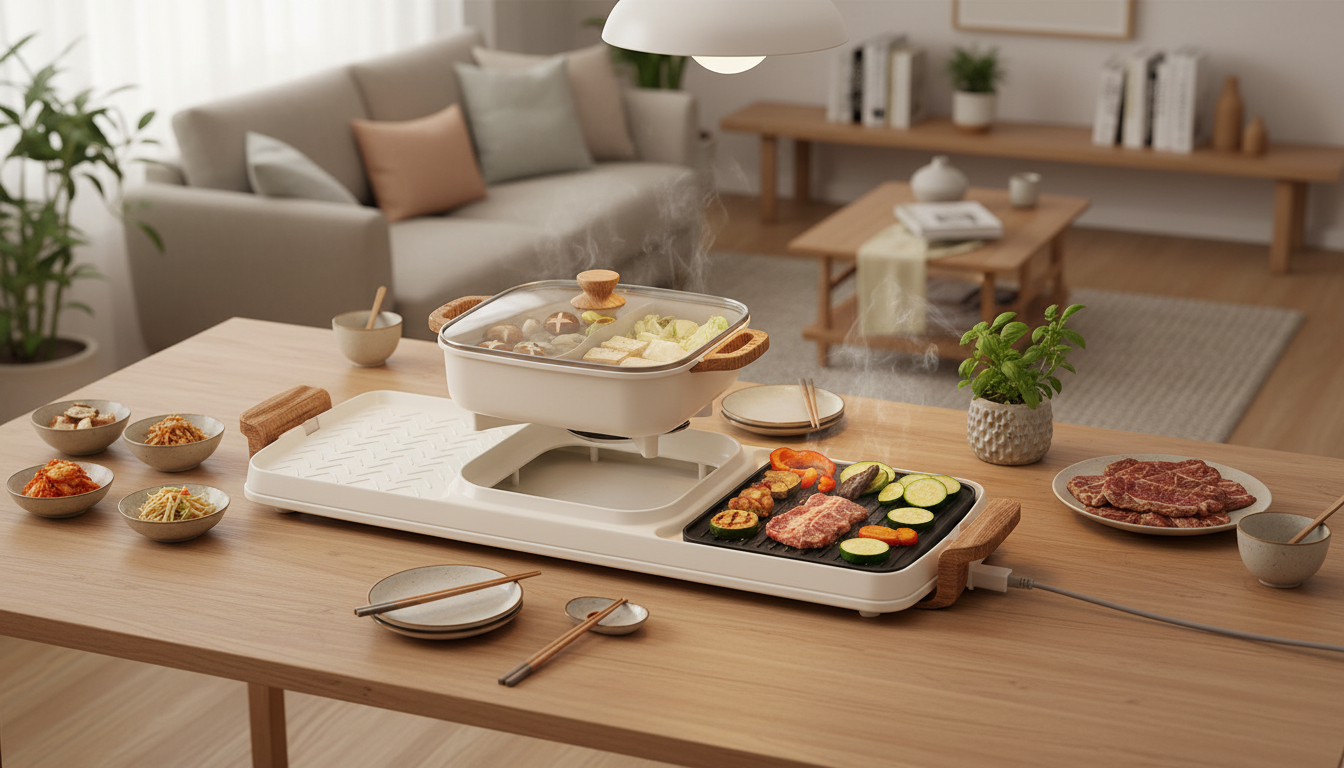
Multi-Functional Indoor Korean Hot Pot and Barbecue Grill – Electric Smokeless Cooking Pan
A dual-surface electric cooker brings the best parts of a Korean BBQ night and a shared hot pot dinner to one tabletop setup. With a dedicated grill area for searing thin-sliced meats and vegetables plus a hot pot section for broth, noodles, dumplings, and simmered add-ins, it turns dinner into an interactive spread that feels restaurant-style—without needing an outdoor grill. For indoor cooking, the biggest advantages are steady, even heat, easy temperature control, and a design focused on reducing smoke and splatter when used with sensible heat settings and basic ventilation.
What this cooker is made to do
- Cook two styles at once: grill sliced proteins and vegetables while keeping a broth gently simmering in the hot pot section.
- Make meals social: ideal for small gatherings, date nights, and family-style dinners where everyone cooks at the table.
- Reduce stovetop crowding: one appliance replaces multiple pans and keeps the action centered in one place.
- Support indoor grilling with less visible smoke: best results come from moderate heat, managed grease, and airflow (fan, hood, or open window).
Key features to look for during setup
- Temperature control: adjustable heat (and, when available, separate control behaviors) helps prevent scorching on the grill while keeping broth steady.
- Nonstick performance: improves release for thin-cut meats, tofu, and vegetables; also speeds up cleanup.
- Grease management: channels and drip zones pull rendered fat away from food, helping reduce flare-ups and smoke.
- Stable base and handles: important for safe tabletop use, especially when the hot pot is filled with hot liquid.
- Cord length and placement: confirm it can sit centered on the table without tension or tripping risk.
| Step | What to do | Why it matters |
|---|---|---|
| Wash and dry parts | Clean cooking surfaces and wipe fully dry before heating | Reduces odor, improves nonstick longevity |
| Preheat gradually | Start medium heat for 3–5 minutes before increasing | Helps even heating and limits smoke |
| Lightly oil the grill | Use a thin layer of high-smoke-point oil | Improves browning and reduces sticking |
| Fill hot pot safely | Add broth below the max line; avoid overfilling | Prevents boil-over and splashing |
| Ventilate the room | Use a range hood, window, or fan | Keeps indoor air clearer during grilling |
How to run a hot pot and grill meal at the same time
- Start with broth first: bring the hot pot to a gentle simmer so it’s ready for quick-cooking add-ins like leafy greens, fish balls, and thin noodles.
- Stage ingredients for safety: keep raw proteins separate and always move cooked foods to clean plates to avoid cross-contamination.
- Grill in batches: cook fattier cuts in smaller portions; if smoke increases, pause to wipe excess grease from the grill area.
- Use the hot pot as the “reset”: after grilling, briefly dip cooked meats or mushrooms into broth to keep them hot and juicy while others finish grilling.
- Close with a final bowl: finish by adding noodles, dumplings, or rice cakes into the broth for a shared “last course.”
For proteins, follow safe minimum internal temperatures and rest times from the USDA Food Safety and Inspection Service, and keep a clean workflow using the CDC’s Clean, Separate, Cook, Chill guidance.
Keeping it smokeless (or close to it)
- Choose lower-smoke foods: leaner cuts, seafood, and marinated vegetables generally smoke less than very fatty belly cuts cooked hard and fast.
- Manage heat deliberately: visible smoke often comes from overheated oil and drippings; medium to medium-high is a practical range for most grilling.
- Trim and blot: pat proteins dry and trim large fat caps to reduce splatter and burning drips.
- Clean as you cook: between batches, wipe pooled grease (carefully, with heat-safe tools) to keep residue from scorching.
- Prioritize airflow: a nearby hood, fan, or open window usually helps more than turning the heat higher.
Cleaning and care that extends nonstick life
- Let it cool: allow the unit to cool fully before washing; sudden temperature changes can stress coatings and components.
- Use soft tools: silicone, wood, and soft sponges protect the nonstick surface from scratches that lead to sticking.
- Soak briefly for residue: warm soapy water loosens stuck bits; skip abrasive powders and harsh scouring pads.
- Dry thoroughly: prevents lingering odor and helps protect electrical areas during storage.
- Handle stubborn buildup gently: a baking soda-and-water paste can help when rubbed lightly—avoid aggressive scrubbing.
Safety essentials for tabletop electric cooking
Meal ideas that work especially well
Who this is best for
Shop in-stock picks
- Multi-Functional Indoor Korean Hot Pot and Barbecue Grill – Electric Smokeless Cooking Pan
- Elegant Ebony Genuine Leather Rocking Chair
FAQ
Does an indoor smokeless grill really produce no smoke?
“Smokeless” typically means reduced visible smoke, not zero smoke. Results depend on heat level, fat content, sugary marinades that burn faster, and how well the room is ventilated.
What foods cook best on the grill plate versus in the hot pot?
Thin-sliced meats, mushrooms, and firm vegetables tend to do best on the grill for fast browning. Noodles, tofu, leafy greens, dumplings, and fish balls are great in the hot pot where the broth cooks gently and keeps everything warm.
How can sticking be prevented on a nonstick grill surface?
Preheat gradually, use a small amount of high-smoke-point oil, and avoid metal utensils that can scratch the coating. If a marinade has sugar, wipe off caramelized residue between batches so it doesn’t turn into a sticky, burnt layer.















Leave a comment