Hot Pot Grill Benefits: Versatility, Variety, Easy Cleanup
What are the benefits of a hot pot grill?
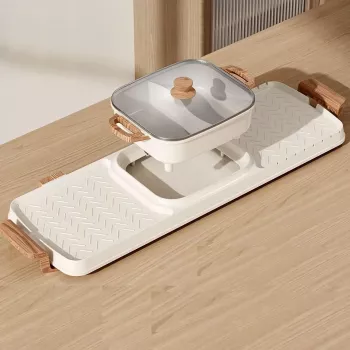
A hot pot grill combines two favorite ways of cooking—simmering broth and grilling—into one compact tabletop appliance. It’s a practical upgrade for weeknight dinners, small gatherings, and apartment-friendly cooking, especially when you want variety without a sink full of pans.
Two cooking styles at the same time
The biggest advantage is versatility: you can grill meats, seafood, and vegetables while also cooking noodles, dumplings, tofu, and greens in broth. That means fewer side dishes and less waiting for the next batch to finish.
More variety for different preferences
Hot pot grills make it easy to serve a mixed crowd. Someone can keep things light with vegetables and broth while another person sears beef or pork on the grill. Many setups also allow different ingredients to cook at different speeds, so picky eaters and adventurous eaters can both build the meal they want.
Great for interactive, social meals
Because the unit sits in the center of the table, everyone can cook their own bites and customize sauces and seasoning. It turns dinner into an activity—ideal for date nights, family meals, or hosting friends without needing to constantly run back to the stove.
Compact and generally easier to clean
Instead of juggling a grill pan, stockpot, and multiple burners, you cook on one appliance. Many hot pot grill plates and pots are nonstick and removable, which can simplify cleanup compared to traditional stovetop grilling.
Better fit for indoor cooking
Electric hot pot grills are designed for indoor use, and many models focus on reducing smoke and managing grease. That can make them a smarter option than open-flame grilling when you’re cooking in a kitchen with limited ventilation.
For a deeper look at features to compare (like smokeless performance, temperature control, and plate design), visit the full guide here: https://synaptidigital.com/guide-indoor-korean-hot-pot-bbq-grill-smokeless-electric/.
FAQ
What should you cook first on a hot pot grill?
Start the broth first so it can come up to temperature while you preheat the grill. Then grill higher-fat items early to season the surface, and cook quicker items (like vegetables and thin-sliced meats) in smaller batches to avoid overcooking.












Leave a comment