Eat Healthier at Home: Busy-Day Habits & 15-Min Meals
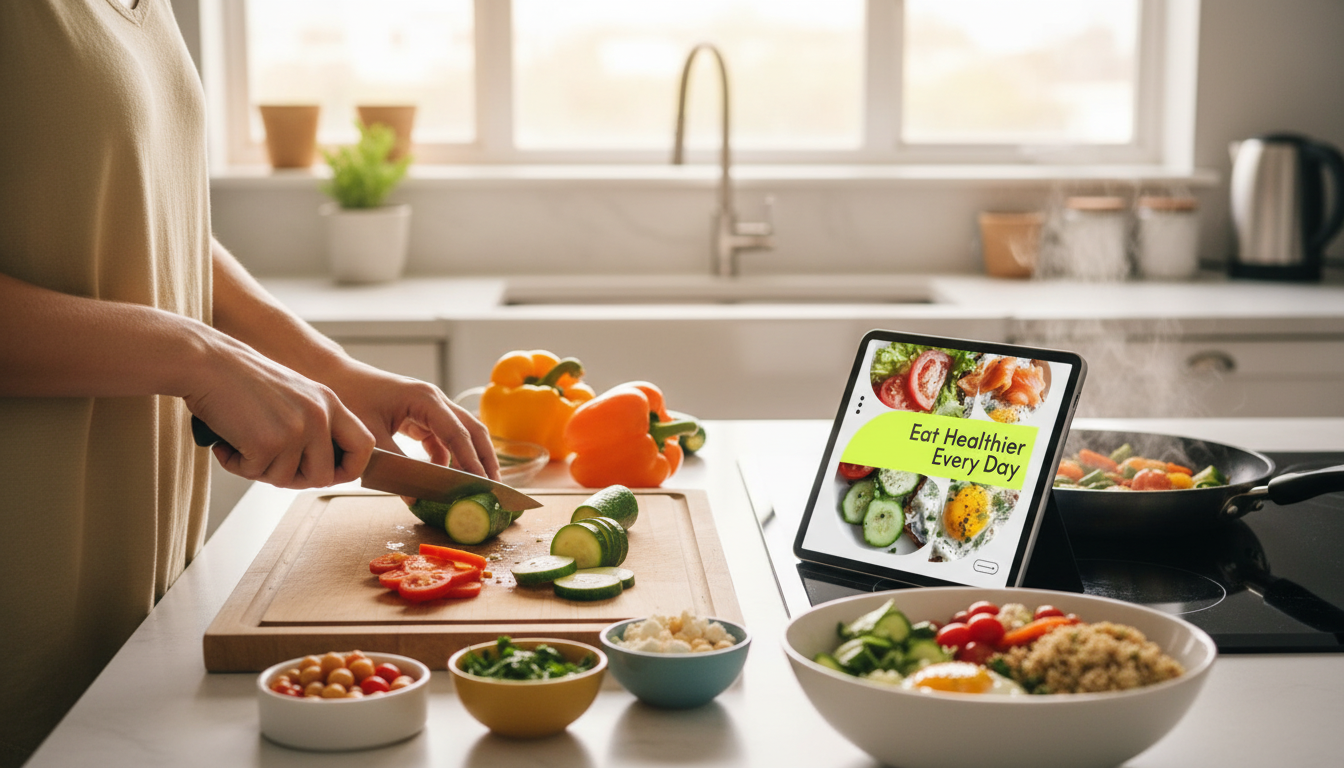
A Practical Guide to Eating Healthier Every Day: Simple At-Home Habits for Busy Schedules
Healthy eating at home doesn’t need perfect meal plans or hours in the kitchen. The biggest wins come from a few repeatable habits: building balanced plates, stocking convenient staples, and using simple shortcuts that reduce decision fatigue. The goal is to make the healthier option the easiest option—especially on packed weekdays.
If you like a visual framework, the USDA MyPlate and the Harvard Healthy Eating Plate both reinforce the same theme: prioritize produce, include protein, choose quality carbs, and keep added sugar in check.
Start with a “good enough” framework, not a perfect diet
The most sustainable approach is consistency over intensity. Instead of overhauling everything on Monday and burning out by Thursday, aim for small upgrades you can repeat.
- Use a balanced-plate default most of the time: half vegetables and fruit, a quarter protein, a quarter whole grains or starchy vegetables, plus a small amount of healthy fat.
- Pick one priority for the week (more vegetables, fewer sugary drinks, protein at breakfast) and keep everything else stable.
- Attach new routines to existing habits: fruit bowl next to the coffee maker, pack lunch while dinner heats, portion snacks right after grocery day.
- Track with simple cues like energy, hunger, digestion, and sleep rather than rigid rules.
“Good enough” eating still moves the needle when it’s repeated. A decent breakfast five days a week beats a perfect breakfast once.
Stock a kitchen that makes healthy choices automatic
A healthy kitchen isn’t about specialty items—it’s about reducing the steps between hungry and fed. When the building blocks are within reach, you don’t have to rely on motivation.
- Create a “5-minute meal” shelf: canned beans, canned fish, microwavable grains, pasta, broth, frozen vegetables, and one or two sauces with simple ingredients.
- Keep low-prep proteins: eggs, Greek yogurt, rotisserie chicken, tofu, edamame, canned lentils/beans, frozen shrimp.
- Make produce grab-and-go: pre-washed greens, baby carrots, cherry tomatoes, frozen mixed vegetables, berries (fresh or frozen).
- Upgrade snacks: nuts, popcorn, hummus, fruit, whole-grain crackers, cheese sticks—portion into small containers to reduce mindless eating.
- Set a default breakfast rotation: two or three options that take under 10 minutes.
Quick pantry and freezer staples for balanced meals
| Category | Fast options | How to use today |
|---|---|---|
| Protein | Eggs, canned tuna/salmon, Greek yogurt, tofu, beans/lentils | Add to salads, wraps, grain bowls, omelets, or yogurt bowls |
| Vegetables/Fruit | Frozen veg, bagged salad, baby carrots, apples, berries | Microwave frozen veg, toss salad kits with protein, grab fruit for snacks |
| Carbs/Fiber | Microwavable brown rice/quinoa, oats, whole-grain bread, potatoes | Base for bowls, overnight oats, toast + toppings, quick baked potato |
| Healthy fats | Olive oil, avocado, nuts/seeds, nut butter | Drizzle, slice, sprinkle, or spread for satiety and flavor |
| Flavor boosters | Salsa, pesto, spices, lemon, vinegar, low-sugar sauces | Add variety without relying on heavy sauces or extra sugar |
Simple meal building blocks for breakfast, lunch, and dinner
Instead of searching for brand-new recipes every day, rely on templates. Templates remove decision fatigue and make it easier to use what you already have.
Breakfast (under 10 minutes)
- Overnight oats with fruit + nuts (or nut butter)
- Eggs + frozen spinach (microwave spinach first, then scramble)
- Greek yogurt + berries + a sprinkle of granola
- Whole-grain toast + nut butter + banana
Lunch (assemble, don’t cook)
- Salad kit + canned salmon or tuna
- Leftover dinner in a bowl with extra greens
- Wrap with hummus, turkey/tofu, and crunchy vegetables
Dinner (mix-and-match)
- Sheet-pan protein + vegetables (use pre-cut veggies if needed)
- Stir-fry with frozen vegetables and a quick sauce
- Bean chili (canned beans + jarred salsa + spices)
- Pasta with a vegetable-heavy sauce and added protein
Double-duty tip: Roast extra vegetables once and repurpose them for 2–3 days (grain bowls, omelets, wraps). Also keep one “emergency meal” available weekly—like a frozen entrée plus a side salad or fruit—to avoid last-minute takeout spirals.
Portions and hunger cues that work in real life
Eating healthier doesn’t mean walking away from meals still hungry. Simple sequencing and environment tweaks can make portions feel more natural without counting anything.
Healthy eating on a tight schedule: the 15-minute system
Smart grocery planning without overbuying
Make it stick: habit cues, environment, and realistic goals
A structured option for busy days
A Practical Guide to Eating Healthier Every Day | Simple How to Eat Healthier at Home Ebook for Busy People is designed around realistic at-home meals, flexible templates, and straightforward grocery guidance—useful when time and energy are limited.
If you like systems that reduce decision fatigue beyond the kitchen, How Much Driving Makes a Car Worth It – Practical Guide to Decide How Often Do I Need to Drive to Justify a Car is another practical framework-style resource focused on everyday tradeoffs and planning.
FAQ
What are the simplest changes to start eating healthier at home?
Pick one change for the week, like adding protein at breakfast or keeping frozen vegetables on hand. Build most meals around a balanced plate, and portion snacks in advance so healthy options are just as convenient.
How can healthy eating work with a busy schedule and limited cooking time?
Use a 15-minute system with convenience staples like canned beans, frozen vegetables, and microwavable grains. Keep a weekly rhythm that includes leftovers, and always have an emergency balanced meal ready.
How do I eat healthier without feeling hungry all the time?
Prioritize protein, fiber, and healthy fats at meals and snacks. Starting meals with vegetables and protein first can improve fullness, making it easier to stop when satisfied.















Leave a comment