Queen Bed with Rounded Backrest & Storage Drawers Guide
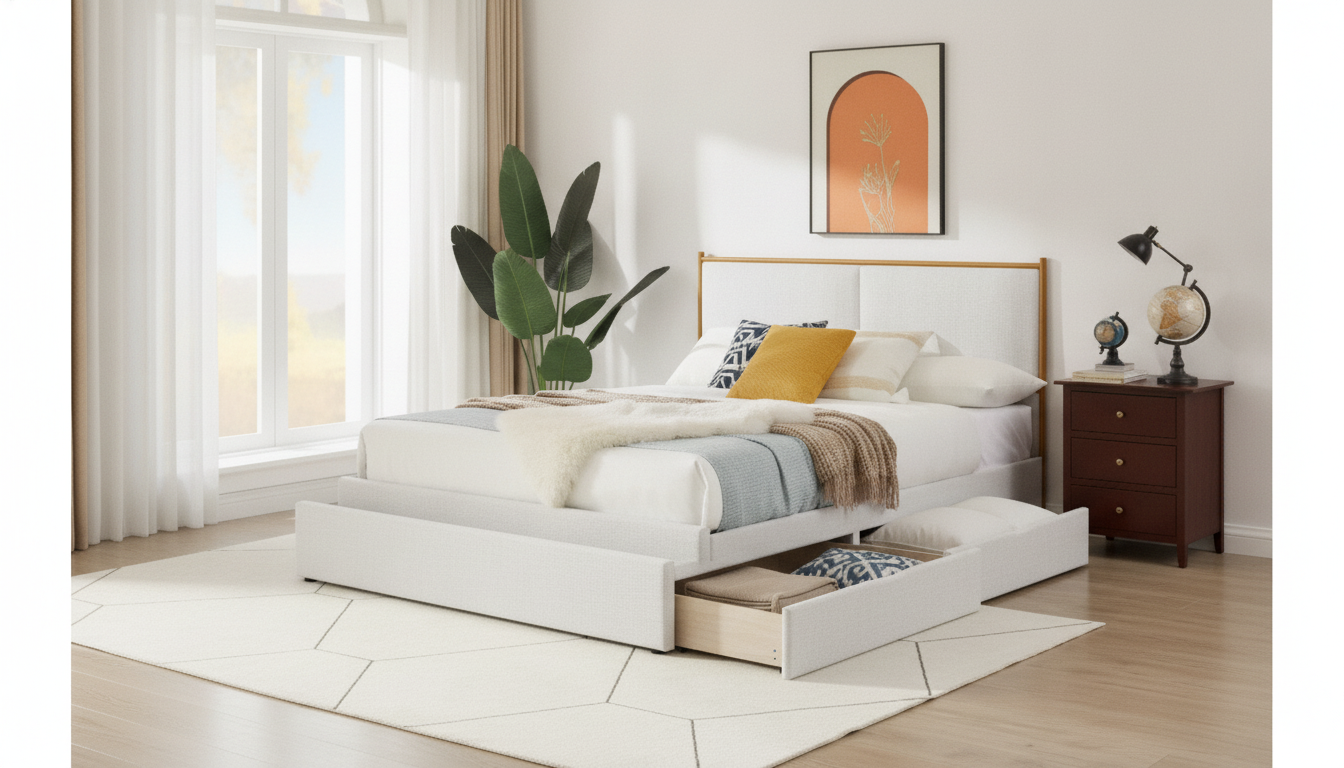
Queen Size Bed with Steamed Bread Backrest and Storage Drawers: Comfort Meets Built-In Organization
A queen bed that pairs a soft, rounded “steamed bread” style backrest with built-in storage drawers can make a bedroom feel both more comfortable and more organized. The cushioned headboard brings a lounge-friendly surface for winding down, while the drawers turn unused space into a practical storage zone. Below is what to expect from the design, what to measure before ordering, and how to style and maintain it for everyday life.
Quick look at the bed
Designed to fit a standard queen mattress (typically 60 in × 80 in), this frame focuses on two daily-life upgrades: a plush, rounded headboard and integrated drawers that reduce the need for extra storage furniture. Before purchase, it’s smart to confirm the listing details—what components are included, whether any platform/slat system is provided, and what assembly is required.
| Feature | What it means | Why it matters |
|---|---|---|
| Queen size compatibility | Built to fit a standard queen mattress | Ensures bedding and mattress shopping stays simple |
| Steamed bread backrest | Rounded, padded headboard profile | More comfortable for lounging; softens the room’s look |
| Storage drawers | Drawers integrated into the bed base | Adds hidden storage without taking extra floor space |
| Elevated organization | Dedicated space for linens/clothes | Helps keep closets and nightstands less cluttered |
If you’re ready to compare details like price and availability, see the Queen Size Bed with Steamed Bread Backrest and Storage Drawers.
What the “steamed bread” backrest changes in daily use
The defining feature is the rounded, cushioned headboard—often described as “steamed bread” because of its soft, puffed silhouette. Unlike hard panels or thin headboards, this shape tends to feel more forgiving when you’re sitting up for longer stretches.
- Comfort for upright time: Great for reading, scrolling, or relaxing with extra pillows behind your back.
- Safer edges in tight rooms: Softer contours reduce the chance of bumping into sharp corners when you’re navigating a smaller layout.
- Calmer visual impact: Rounded upholstery can make a room feel more modern and less “boxy,” especially when paired with simple bedding.
- Easy to personalize: Add a lumbar pillow or a single accent cushion for support without turning the bed into a pillow pile.
Storage drawers: capacity, access, and what to store
Under-bed drawers are most helpful when they’re treated like a “secondary closet” rather than a dumping ground. The key is balancing what you store with how often you’ll need it.
- Best-use items: spare sheets, duvet inserts, seasonal clothing, throw blankets, and accessories you don’t reach for daily.
- Access planning: leave enough clearance on the drawer-opening side(s) so you can pull drawers out smoothly without bumping into nightstands or walls.
- Stay organized: fabric dividers or labeled bins help prevent mixed-up stacks and make quick resets easier.
- Glide and weight check: confirm the drawer hardware type (roller, metal slides, guided tracks) and avoid overloading—heavy, dense items can cause sticking over time.
Storage drawer planning checklist
| Check | Why it matters | Quick rule of thumb |
|---|---|---|
| Drawer clearance | Drawers need room to open fully | Measure from bed edge to wall/nightstand; aim for comfortable pull-out space |
| Floor type | Some drawers glide better on hard floors than thick carpet | If carpet is plush, consider a low-pile mat path (if compatible) |
| What goes inside | Overloading causes sticking and misalignment | Store bulky-but-light items; avoid very heavy stacks |
| Frequency of use | Daily-use items may be inconvenient if drawers are blocked | Put weekly/seasonal items in drawers; keep daily items in dresser/nightstand |
Fit, measurements, and room layout
Queen size is standardized, but bed frames can differ in how they support the mattress and how much physical space they occupy once drawers and headboard depth are included. For mattress sizing references, the Sleep Foundation’s mattress size guide is a helpful baseline.
- Mattress fit: confirm it’s designed for a standard queen (60 in × 80 in) and check whether a box spring is needed or if slats/platform support is included.
- Room flow: map walking paths from the door to closet and around the foot of the bed—drawer-based frames are most convenient when you can open drawers without blocking circulation.
- Nightstand compatibility: verify drawer fronts won’t collide with nightstands, lamp bases, or charging stations.
- Headboard height: a taller cushioned backrest becomes a focal point; consider wall art placement and any window trim behind it.
Materials, care, and long-term upkeep
Upholstered headboards and drawer systems stay looking (and functioning) better with small, consistent maintenance habits.
For broader furniture buying and upkeep guidance, Consumer Reports’ furniture resources can be a useful reference when comparing construction and support features.
Who this bed suits best
Styling ideas for a rounded upholstered headboard
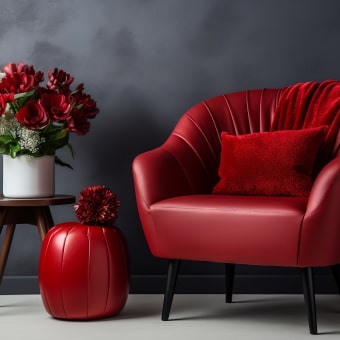
To complement the cozy, lounge-forward look of an upholstered headboard, consider pairing it with an accent seat like the Elegant Ebony Genuine Leather Rocking Chair for a reading corner.
Ordering and setup checklist
FAQ
Does a queen mattress fit this bed frame?
Yes—this design is intended for a standard queen mattress (typically 60 in × 80 in). Before ordering, verify whether the frame includes slats/platform support or if it requires a box spring.
What should be stored in the drawers to keep them working smoothly?
Store bulky but lighter items like linens, throw blankets, and seasonal clothing, and avoid overloading drawers with very heavy stacks. Keeping the tracks clean and tightening hardware occasionally also helps drawers glide smoothly over time.
How do the drawers affect room layout?
Drawer beds need clearance on the side(s) where drawers open, plus enough space to maintain comfortable walking paths. Measure the distance from the bed edge to walls and nightstands, and confirm which side(s) the drawers pull out from before committing.










Leave a comment