21-Inch 140cc Gas Push Mower: 3-in-1 Cutting Guide
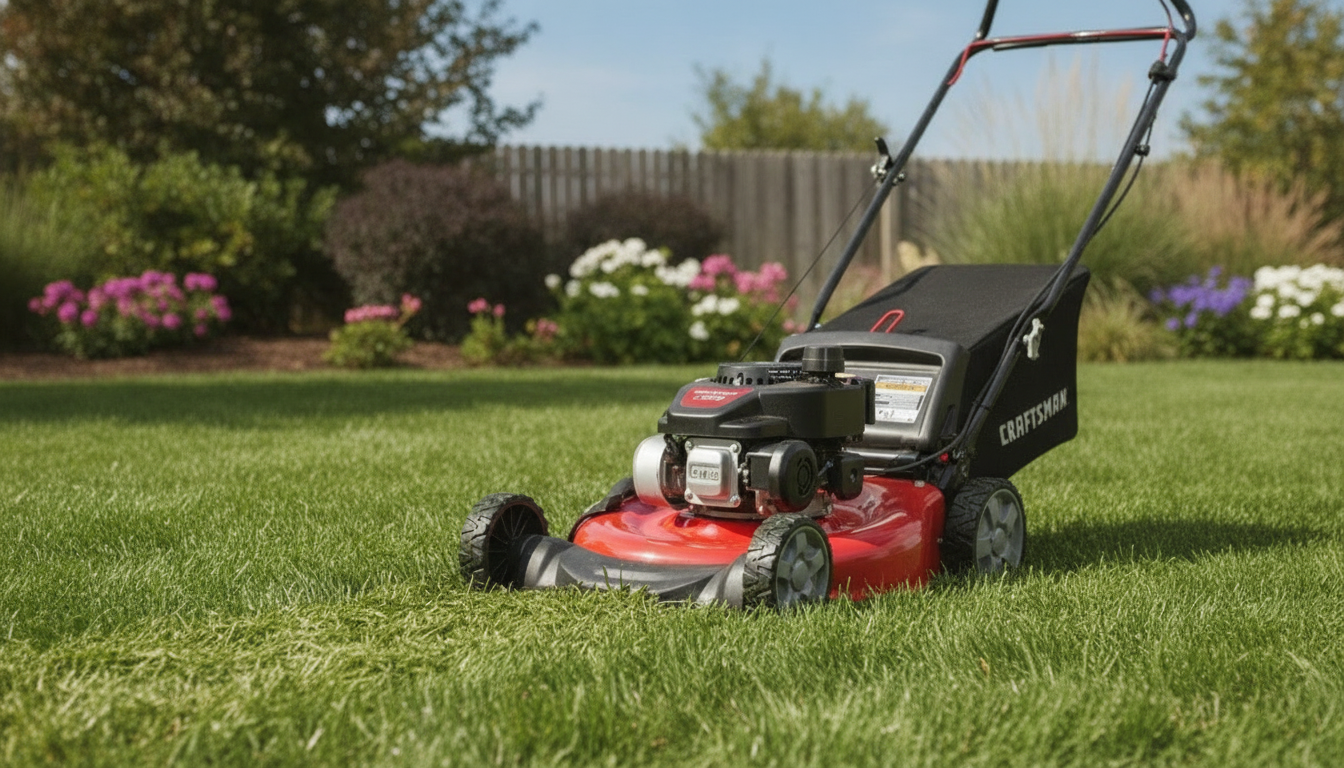
Gas Powered Lawn Mower Basics: What a 21-Inch 3-in-1 Push Mower Is Built to Do
A 21-inch gas push mower is designed for homeowners who want clean, consistent results without extension cords or charging schedules. The wider deck covers more ground per pass than compact mowers, while still fitting typical gates and navigating around edging, trees, and garden beds. Pair that deck size with a 3-in-1 setup—mulch, bag, or side discharge—and the mower can adapt to weekly touch-ups, fast growth spurts, and seasonal cleanup.
In the 140cc engine class, the goal is steady cutting power for routine lawn maintenance, including thicker sections that slow down smaller or lower-powered machines. Because it’s a push design, it stays nimble in tighter yard layouts and offers more control around obstacles and borders.
Key Specs That Matter Day-to-Day
On paper, many gas push mowers look similar. Day-to-day performance usually comes down to a few practical details: deck width, engine consistency under load, how easy it is to switch cutting modes, and whether the bagging system fills well without constant clogs.
Quick spec checklist for comparing similar gas push mowers
| Feature | Why it matters | What to verify |
|---|---|---|
| 21-inch deck | Fewer passes for the same area | Fits gates/storage; deck clears uneven edges |
| 140cc engine class | More consistent cutting in thicker growth | Starts reliably; maintains RPM under load |
| Mulch / Bag / Discharge | Flexible handling of clippings | Included bag and discharge path; mulch plug/blade setup |
| Cut-height range | Protects turf health and improves appearance | Number of positions; ease of adjustment |
| Maintenance access | Faster seasonal upkeep | Oil fill/drain access; air filter reach; spark plug access |
Height adjustment is especially important in summer heat or during recovery after missed mowing. More height positions make it easier to raise the cut for stress-prone periods and lower it when conditions are ideal for a tighter finish.
Choosing the Right Cutting Mode: Mulch, Bag, or Discharge
The advantage of a 3-in-1 mower is that it can match how fast the lawn is growing—and how tidy you want it to look—without forcing you into a single routine.
Mulching
Mulching is a strong default for weekly mowing when grass is dry and not overgrown. The deck recuts clippings into smaller pieces that settle into the canopy. With good mowing habits, mulch can reduce visible debris and support soil health over time.
Bagging
Bagging is the go-to option when growth is heavy and clumps are likely, or when a “clean sweep” look matters—especially near patios, walkways, and driveways. It’s also useful when you want to remove seed heads or reduce pollen and debris buildup after windy days.
Side discharge
Side discharge is helpful for quick knockdowns, taller grass, or slightly damp conditions when mulching tends to clump or clog. It’s a practical middle ground when you want speed and fewer stops, but don’t need a perfectly manicured finish.
When switching modes, clear built-up grass from under the deck first (engine off and spark plug disconnected). Better airflow improves mulching performance and helps the bag fill evenly.
Performance Tips for an Even Cut
Getting a clean, even cut is less about pushing faster and more about keeping the blade working efficiently.
For additional lawn-health guidance, practical mowing recommendations are available from the University of Minnesota Extension.
Starting, Fuel, and Seasonal Maintenance Basics
- Use fresh fuel: Old gasoline is a common cause of hard starts and rough running after winter. Follow fuel storage guidance from the U.S. Environmental Protection Agency.
- Check oil before the season starts: Verify the level before the first mow and periodically during heavy use.
- Service the air filter: A dirty filter reduces power and can increase fuel use.
- Inspect the spark plug: Replace if fouled or worn to improve starting and stability.
- Keep the underside of the deck clean: Packed grass hurts airflow and makes mulching/bagging less effective.
Safety and Comfort Considerations
For more detailed safety guidance, review the U.S. Consumer Product Safety Commission — Lawn Mower Safety resource.
When a 21-Inch 140cc Gas Push Mower Is a Great Fit
Product Options In Stock
-
Gas Powered Lawn Mower, 21-Inch 3-in-1 Mulching Push Mower with Bag, 140cc
A practical all-around configuration for routine weekly mowing and seasonal cleanup. Use mulch mode for steady growth, switch to bagging during spring flush or anytime a cleaner curb look is the priority. Before first use, confirm oil level per manufacturer guidance, check fasteners, and ensure the bag and discharge paths are properly seated. -
Elegant Ebony Genuine Leather Rocking Chair
A comfortable option for taking a break after yard work—especially for covered patios or porch seating where you want a sturdy, polished look.
FAQ
Is a 140cc gas push mower enough for thick grass?
A 140cc-class mower is commonly sufficient for routine lawn maintenance, including thicker sections. Results improve with a sharp blade, mowing when the grass is dry, raising the cut for the first pass on tall growth, and slowing down in dense areas.
When should bagging be used instead of mulching?
Bagging is a better choice during wet growth, very long grass, heavy seed heads, or anytime clippings on paths and patios are undesirable. Mulching works best when grass is dry and not overgrown.
How often should the mower blade be sharpened?
A practical range is every 20–25 mowing hours or a few times per season, depending on conditions. If you see torn or browned tips and the cut looks uneven, it’s time to sharpen or replace the blade.













Leave a comment