6.5L Smart LCD Air Fryer: Touch Control & 5-in-1 Meals
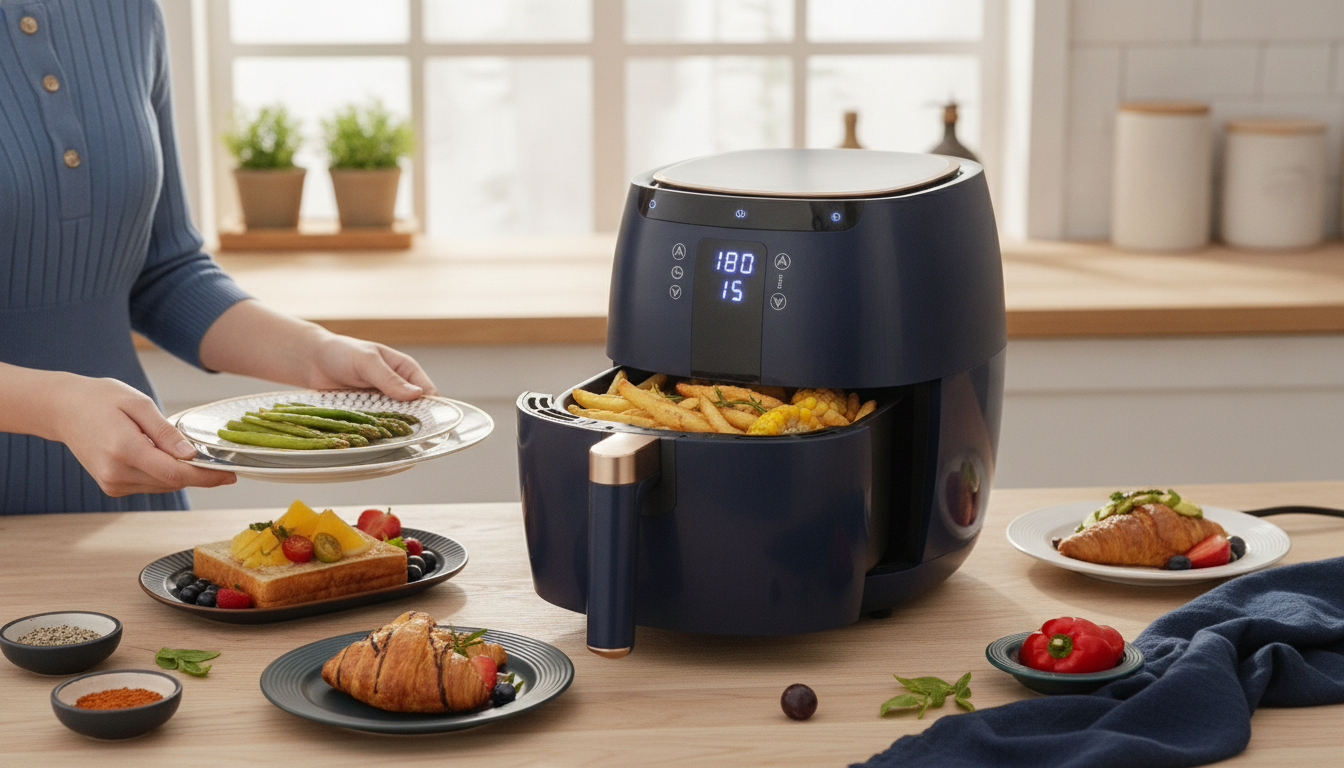
6.5L Smart LCD Fully Automatic Air Fryer with Touch Control
A 6.5L air fryer with a smart LCD and touch controls streamlines everyday cooking by combining fast hot-air circulation with simple presets and adjustable temperature/time settings. It’s built for the meals that show up most often—crispy fries, chicken, vegetables, reheats, and small-batch baking—while helping cut back on excess oil compared with traditional deep frying. The enclosed cooking chamber also helps keep splatter and smoke more contained, which can make weeknight cooking feel less messy and more manageable.
What This Air Fryer Is Designed to Do
This style of countertop air fryer is meant to replace several small tasks that would otherwise bounce between the oven, stovetop, and microwave.
- Support common cooking tasks in one countertop appliance: air frying, roasting, baking, reheating, and crisping.
- Make cooking more consistent with a digital display and touch-based adjustments for time and temperature.
- Fit family-size portions with a 6.5L capacity suitable for shared meals, meal prep, and batch cooking.
- Reduce mess compared with stovetop frying by containing splatter and smoke inside the cooking chamber.
Smart LCD & Touch Control: How It Helps Day to Day
The biggest advantage of a smart LCD paired with touch control is clarity—what’s happening, how long is left, and what setting is active are visible at a glance. That reduces the “guess-and-check” rhythm that can happen with manual dials, especially when cooking multiple items back-to-back.
- Clear at-a-glance status: see remaining time, temperature, and selected mode without guessing.
- Quick adjustments mid-cook: add a minute or two for extra crispness, or lower heat for delicate foods.
- Preset-driven workflow: start with a preset, then customize based on portion size and preferred texture.
- More repeatable results: once a setting works for a favorite meal, it’s easy to replicate next time.
For many kitchens, that repeatability is the real convenience: the controls help turn “close enough” cooking into consistent outcomes, especially for foods that brown quickly (wings, breaded cutlets, or roasted veggies).
6.5L Capacity: Portion Planning and Practical Fit
A 6.5L basket is a practical middle ground for households that want fewer batches without jumping to an extra-large appliance. It can handle dinner portions for a family or support meal prep, but it still benefits from good airflow habits.
- Handles larger servings in fewer batches, which helps maintain crispness and saves time.
- Works well for mixed meals (for example, protein plus vegetables) when arranged for airflow.
- Best results come from avoiding overcrowding—spread food in a single layer when possible and shake/turn midway.
- Consider countertop footprint and storage space; measure the intended spot and nearby clearance for ventilation.
Quick cooking guide (starting points to adjust by thickness and quantity)
| Food | Temperature | Time range | Mid-cook tip |
|---|---|---|---|
| Frozen fries | 380–400°F (193–204°C) | 12–18 min | Shake basket halfway for even browning |
| Chicken wings | 380–400°F (193–204°C) | 18–25 min | Flip or shake; cook to safe internal temp |
| Vegetables (broccoli, carrots) | 360–390°F (182–199°C) | 8–14 min | Light oil mist improves browning |
| Reheating pizza/slices | 320–350°F (160–177°C) | 3–6 min | Avoid high heat to prevent dry edges |
| Salmon fillet | 360–390°F (182–199°C) | 8–12 min | Use parchment liner; check doneness early |
Multi-Functional Cooking: Where It Replaces Other Appliances
Air fryers shine when a full-size oven feels like overkill or when a microwave can’t deliver the texture you want. With a strong convection effect, foods can brown efficiently, and the basket design makes it easy to shake, flip, and crisp.
- Reheats with texture: helps restore crispness better than a microwave for many foods.
- Roasts quickly: vegetables and small cuts can brown efficiently due to strong air circulation.
- Small-batch baking: suitable for items like muffins, hand pies, or cookies when using appropriate bakeware.
- Convenient finishing tool: crisp a casserole topping, toast a sandwich, or brown a breaded coating.
For health-minded households, air frying is often used as a way to cut down on oil while still getting a satisfying crunch; Harvard Health discusses common considerations and tradeoffs around air frying and nutrition in everyday cooking (Harvard Health Publishing — Air frying and health considerations).
Ease of Use and Cleanup Habits That Matter
Great results usually come from a few repeatable habits rather than complicated technique. The goal is even airflow, a touch of surface oil when needed, and a simple cleanup routine that prevents buildup.
Safety and Food Temperature Basics
For quick reference, USDA guidance on safe minimum internal temperatures is a helpful standard to keep bookmarked (USDA Food Safety and Inspection Service — Safe Minimum Internal Temperatures).
Featured Picks Available Now
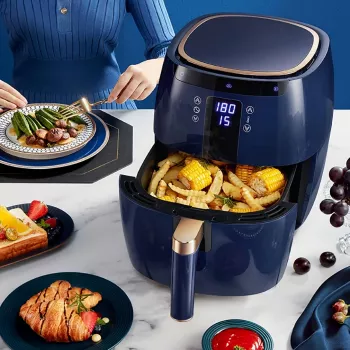
- 6.5L Smart LCD Fully Automatic Air Fryer – Touch Control, Multi-functional Cooking Companion
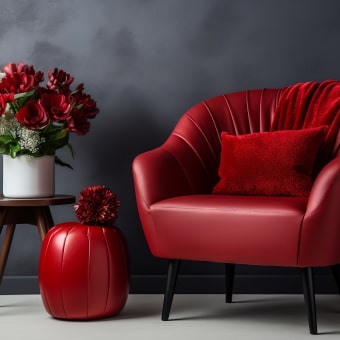
- Elegant Ebony Genuine Leather Rocking Chair
Is This the Right Match?
FAQ
Do air fryers need preheating?
Many foods cook well without preheating, but a short preheat often improves browning and crispness for fries, breaded items, and roasted vegetables. If a preset or recipe recommends preheating, follow it and adjust based on your results.
How do you keep food from cooking unevenly in an air fryer?
Avoid overcrowding and aim for a single layer when possible, then shake or flip halfway through cooking. Cutting ingredients to similar sizes and adding time for thicker pieces also helps even out doneness.
What internal temperature should chicken reach when cooked in an air fryer?
Use a thermometer and cook chicken to USDA-recommended safe internal temperatures (commonly 165°F for poultry). Exact time varies by cut, thickness, and whether the chicken starts refrigerated or closer to room temperature.












Leave a comment