Cordless Robotic Pool Cleaner: Strong Suction & Self-Parking
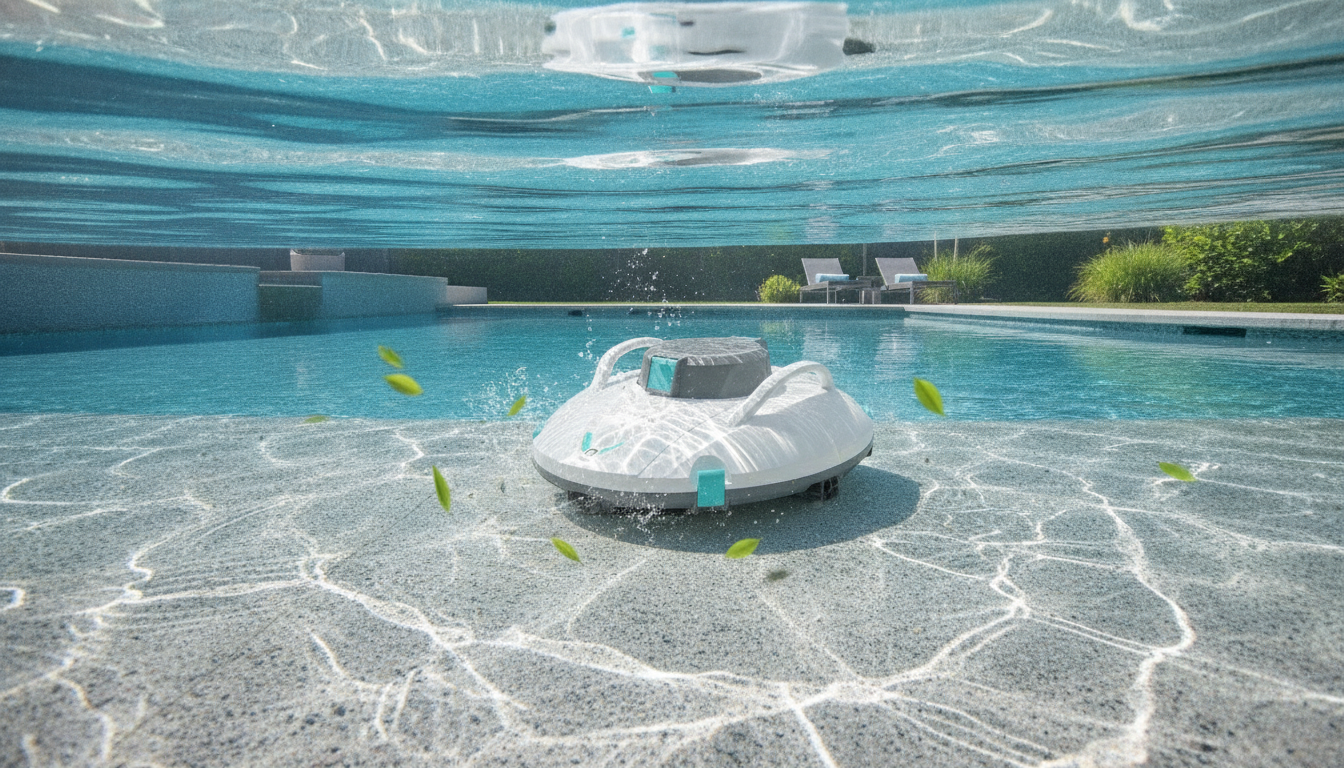
Efficient Cordless Robotic Pool Cleaner with Advanced Suction & Self-Parking
A cordless robotic pool cleaner can handle day-to-day debris without hoses, booster pumps, or tangled cables. The big difference between a “nice-to-have” robot and one you’ll actually run regularly often comes down to two practical features: suction that stays consistent as the filter fills, and end-of-cycle self-parking that makes retrieval painless. Below is a clear breakdown of what these cleaners do well, where expectations should be realistic, what to verify before buying, and how to keep performance steady across different pool shapes and surfaces.
What a Cordless Robotic Pool Cleaner Does (and What It Doesn’t)
Most cordless robotic cleaners are built to remove the everyday mix of debris that lands in a pool between full maintenance days. They work independently, collecting debris into an onboard basket or cartridge so your main circulation system doesn’t have to do all the heavy lifting.
- Collects common debris such as sand, leaves, bugs, and fine sediment into an onboard filter basket or cartridge.
- Moves independently along the pool floor; performance on walls and waterline depends on the model’s design and traction.
- Reduces manual vacuuming time but does not replace water chemistry balancing (chlorine/pH/alkalinity still need routine checks).
- Works best when large debris is skimmed first and the filter is emptied before each cycle.
It also helps to keep expectations aligned with pool-care basics. Even with a robot running frequently, healthy swimming still depends on safe chemical handling and routine testing. The CDC’s guidance on pool chemical safety is a good reference point for owners who want a safer, more consistent routine: CDC — Healthy Swimming.
Why Advanced Suction Matters for Daily Cleanups
For quick cleanups, suction quality tends to matter more than flashy claims about speed. Stronger, steadier suction improves pickup on mixed debris days—especially when a little bit of everything ends up on the floor after wind, landscaping, or high bather use.
- Stronger, steadier suction helps pull heavier debris (small stones, acorns) and lifts fine dirt that tends to resettle after brushing.
- Efficient flow paths reduce clogging and maintain pickup performance as the filter loads.
- A well-matched filter system captures both large debris and smaller particles; finer filtration may require more frequent rinsing.
- For pools near trees or in windy areas, prioritize suction consistency and debris capacity over speed alone.
One practical tip: if fine dust is your constant battle, plan on shorter, more frequent cycles and quick filter rinses. That rhythm usually beats running long cycles with a clogged filter that slowly loses pickup performance.
Self-Parking: Convenience That Reduces Hassle
Self-parking sounds like a small feature until the first time a cleaner stops in the deep end and retrieval turns into a mini-project. Self-parking is designed to end the cycle where you can reach the unit more easily—reducing the chance that you’ll postpone removing it, cleaning the filter, or charging it for the next run.
- Self-parking aims to stop the cleaner in an easy-to-reach spot, simplifying retrieval after a cycle.
- Helps avoid the common problem of a robot stopping in the deep end where reaching it is difficult without a hook.
- Useful for routine maintenance cycles where the cleaner is run frequently and removed the same day.
- Check that the pool has a predictable access point (steps, ledge, or a reachable wall area) for smoother retrieval.
To maximize the benefit, choose a storage routine that matches your pool layout: remove the robot from the same side each time, and keep that access point clear of floats, hoses, and toys.
Feature Checklist Before Buying
A cordless robot is a convenience purchase, so it’s worth checking a few details that directly affect day-to-day use rather than focusing only on headline specs.
Quick Comparison: Cordless Robot vs Manual Vacuum vs Corded Robot
| Category | Cordless Robotic Cleaner | Manual Vacuuming | Corded Robotic Cleaner |
|---|---|---|---|
| Setup time | Low (drop in, start) | High (hose, pole, prime/attach) | Medium (cable management) |
| Daily convenience | High | Low | Medium |
| Tangles/drag | None | Hose drag possible | Cable can tangle |
| Ongoing maintenance | Rinse filter; occasional part replacement | Backwash/clean filter system; more labor | Rinse filter; cable care |
| Best use case | Frequent quick cleanups | Spot cleaning and tight budgets | Longer sessions where power via cable is preferred |
Setup, Use, and Care for Consistent Performance
For broader safety and upkeep standards—especially for shared or family pools—the Pool & Hot Tub Alliance maintains useful resources: PHTA — Standards and Safety Resources.
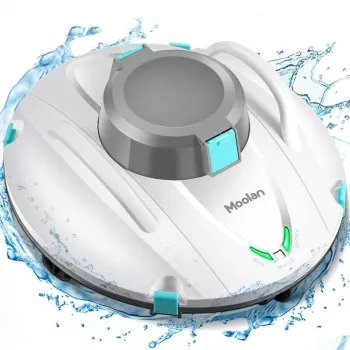
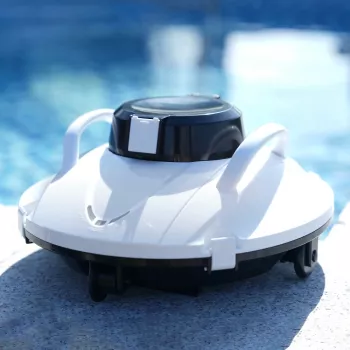
Product Snapshot: Efficient Cordless Robotic Pool Cleaner with Advanced Suction & Self-Parking
If the goal is to keep the pool floor consistently clean with minimal setup, Efficient Cordless Robotic Pool Cleaner with Advanced Suction & Self-Parking is built around the features that most directly improve everyday use.
More In-Stock Picks to Round Out Your Backyard Routine
- Elegant Ebony Genuine Leather Rocking Chair for a comfortable patio or sunroom seating upgrade.
- 200/2400mm High-Power Astronomical Telescope for Stargazing Enthusiasts for clear-sky nights after an evening swim.
FAQ
How often should a cordless robotic pool cleaner be run?
Most pools do well with 2–4 cycles per week, adjusting for weather, nearby trees, and how often the pool is used. During heavy leaf or pollen periods, daily shorter cycles can keep debris from building up.
Will a cordless robotic pool cleaner pick up fine sand and silt?
Yes, if the unit has strong suction and sufficiently fine filtration. Fine particles typically require more frequent filter rinsing to maintain steady flow and pickup power.
What does self-parking change in day-to-day use?
It makes end-of-cycle retrieval faster by bringing the cleaner to a more reachable spot instead of stopping in the deep end. It works best when your pool has a consistent access point like steps, a ledge, or an easy-to-reach wall.













Leave a comment