Decorating Styles Guide: Find Your Home Aesthetic Fast

Your Ultimate Guide to Decorating Styles: Find the Home Aesthetic That Fits
Decorating style is the thread that ties color, furniture, lighting, and accessories into a home that feels intentional. Once you understand what actually creates a “look,” it gets much easier to edit what you already own, shop with confidence, and blend influences without ending up with a space that feels busy or disjointed.
Start With the Foundations: What “Style” Really Includes
Most decorating styles can be recognized by a handful of consistent decisions. Before picking labels, look at the building blocks below and note what you’re naturally drawn to.
- Color palette: warm vs. cool, muted vs. saturated, and how contrast is used
- Shapes and lines: curved, organic forms vs. clean, straight edges
- Materials and texture: wood tones, metals, stone, textiles, and tactile layering
- Furniture profiles: low and modern, overstuffed and traditional, or mixed-era pieces
- Lighting approach: statement fixtures, soft ambient layers, and task lighting
- Accessories and art: minimal and curated vs. abundant and eclectic
If you want a deeper grounding in how interiors are defined and planned, resources like the American Society of Interior Designers (ASID) and Encyclopaedia Britannica’s overview of interior design offer helpful context.
Quick Style Finder: Match Your Preferences to a Direction
- If calm, airy, and uncluttered feels best: lean minimalist, Scandinavian, or Japandi
- If cozy layers and a collected feel matter most: consider farmhouse, cottage, or traditional
- If bold art, global finds, and mixing patterns sounds right: explore eclectic or bohemian
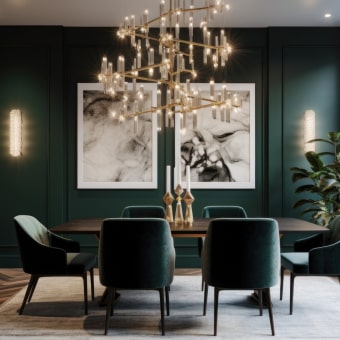
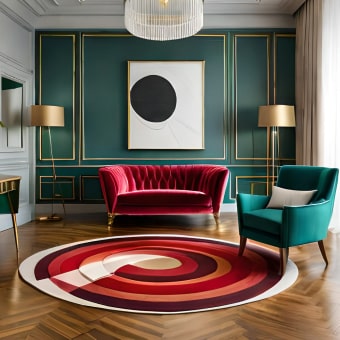
- If you love glamour and polished finishes: try modern luxe, art deco, or contemporary
- If raw materials and architectural edges appeal: look at industrial or modern organic
- If nostalgic details and classic symmetry feel like home: focus on traditional or transitional
A useful shortcut: choose the vibe first (serene, cozy, dramatic, grounded), then let that guide your palette and materials. Color forecasting tools from the Pantone Color Institute can also help when you’re deciding whether you prefer soft neutrals, jewel tones, or high-contrast schemes.
Decorating Styles Explained: Key Traits, Colors, and Signature Pieces
Below are popular styles and the details that make them recognizable.
Modern
Simple silhouettes, minimal ornament, and a neutral base with occasional bold accents. Think clean-lined sofas, low profiles, and purposeful negative space.
Contemporary
Current and flexible rather than tied to one era. Often leans monochrome, with interest coming from texture (bouclé, plaster, ribbed wood) and sculptural lighting.
Minimalist
Pared-back essentials with concealed storage and a “less but better” approach. High-impact materials and lighting replace excess decor.
Scandinavian
Light woods, whites and soft grays, practical comfort, and cozy textiles. It’s bright and welcoming, not stark.
Japandi
Scandinavian warmth meets Japanese restraint: low profiles, natural textures, and calm neutrals with soft contrast. It’s especially effective in smaller spaces where visual quiet matters.
Traditional
Classic furniture forms, symmetry, rich wood tones, and layered window treatments. It’s formal-leaning but can still feel relaxed with softer textiles and warmer lighting.
Transitional
Traditional comfort with cleaner lines. This is a go-to if you like timeless pieces but want a lighter, simpler overall feel.
Farmhouse & Modern Farmhouse
Farmhouse is casual and welcoming: painted woods, simple shapes, and vintage-inspired accents. Modern farmhouse tightens the palette, simplifies profiles, and often adds black accents for crisp contrast.
Industrial
Metal, exposed elements, reclaimed wood, utilitarian lighting, and a restrained palette (charcoal, black, weathered neutrals). Great for loft-like architecture and open shelving.
Mid-century Modern
Tapered legs, warm woods, geometric shapes, and graphic art and lighting. It’s structured and retro without feeling themed when the palette stays controlled.
Bohemian
Layered patterns, plants, handmade pieces, warm color, and global/vintage finds. The key is repetition—echo a few colors or materials so it reads curated, not chaotic.
Coastal
Art Deco
Modern Organic
Style Snapshot: What to Look For at a Glance
| Style | Best for the vibe | Core palette | Go-to materials | Signature detail |
|---|---|---|---|---|
| Scandinavian | Bright, calm, practical comfort | White, gray, soft neutrals | Light wood, wool, linen | Cozy textiles + clean lines |
| Japandi | Serene, grounded simplicity | Warm neutrals, soft contrast | Wood, ceramics, natural fibers | Low profiles + negative space |
| Mid-century modern | Retro warmth with structure | Warm woods, muted pops | Teak/walnut, leather, brass | Tapered legs + geometric forms |
| Industrial | Edgy, urban, architectural | Charcoal, black, gray | Metal, brick, reclaimed wood | Factory-style lighting |
| Traditional | Classic, formal, layered | Cream, navy, burgundy, green | Dark woods, silk, velvet | Symmetry + detailed profiles |
| Bohemian | Creative, collected, relaxed | Warm tones, mixed patterns | Rattan, textiles, vintage woods | Layered rugs + global accents |
How to Blend Styles Without Looking Random
If you love both classic and modern, try pairing a tailored, clean-lined room with one heirloom-feeling piece that brings warmth—like an Elegant Ebony Genuine Leather Rocking Chair as a reading corner anchor.
Room-by-Room Style Anchors (Living Room, Bedroom, Entry)
Common Style Mistakes and Fast Fixes
A Practical Next Step: Build a Style Reference You Can Use While Shopping
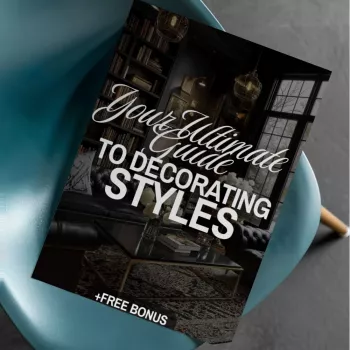
For a structured reference while planning and shopping, keep a copy of the Decorating styles eBook for every home aesthetic on hand to sanity-check palettes, materials, and signature pieces before you commit.
FAQ
What decorating style is easiest to maintain?
Minimalist, Scandinavian, and contemporary tend to be easiest because they rely on fewer objects, closed storage, and simpler surfaces. Maintenance improves when decor is curated and dust-catching layers are limited.
Can farmhouse and modern decor work together?
Yes—use modern shapes and a tighter palette, then add farmhouse texture through wood tones, simple textiles, and a few vintage-inspired accents. Keep finishes consistent so the mix feels cohesive.
How do I figure out my home aesthetic if I like multiple styles?
Pick one dominant direction, then use a secondary style for accent pieces. Unify the mix with repeating materials, a consistent undertone (warm or cool), and one shared color family across rooms.








Leave a comment