Modern Home Decor Trends: Stylish, Sustainable Updates
Introduction
Fresh decor trends move fast, but the best updates are the ones that fit real life: how a home functions, what feels calming, and what lasts beyond a season. This guide breaks down today’s most practical trend directions—materials, colors, layouts, and sourcing—so it’s easier to spot what’s worth adopting and how to do it in a more responsible way.
What “modern” means right now
Modern interiors are less about a single look and more about clarity: fewer visual distractions, better flow, and intentional objects. Comfort is also a design feature—think softer silhouettes, layered lighting, and tactile materials that make rooms feel lived-in rather than staged. Personality still matters, but it often shows up as curated contrast: vintage next to clean lines, or artisanal finishes paired with streamlined furniture.
Modern trend directions and what to try at home
| Trend direction | What it looks like | Easy update | Lower-impact option |
|---|---|---|---|
| Warm minimalism | Clean lines with inviting textures | Add a wool throw + linen curtains | Choose natural fibers and undyed textiles |
| Biophilic touches | Plants, organic shapes, nature-inspired palettes | Group 2–3 plants with matching pots | Use peat-free potting mix; buy local plants |
| Quiet luxury | Subtle, high-quality details over bold statements | Swap hardware to brushed brass/bronze | Choose durable finishes and repairable pieces |
| Heritage + modern mix | Vintage accents in modern layouts | Add one vintage mirror or side table | Buy secondhand; refinish instead of replacing |
| Textured neutrals | Tone-on-tone with depth | Layer jute, boucle, and matte ceramics | Select responsibly sourced wood and natural rugs |
Trendspotting that doesn’t feel overwhelming
Not every trending room is meant to be lived in. A practical way to stay current is to separate “viral” from “viable”: prioritize trends that solve a functional need (storage that reduces clutter, lighting that improves mood, seating that’s genuinely comfortable) rather than purely cosmetic changes.
Before committing to a bigger purchase, look for patterns across sources—retail collections, design show coverage, and real renovation content. When the same colors, finishes, or silhouettes show up repeatedly (and in different price tiers), they’re usually more than a one-week spike.
Then test a trend in a reversible way: paint samples, pillow covers, peel-and-stick wallpaper, thrifted accents, or a simple lighting swap. To keep experiments cohesive, set one rule and stick to it—one metal finish throughout a floor, one repeat color in every room, or one dominant wood tone that anchors the mix.
Color, materials, and finishes gaining momentum
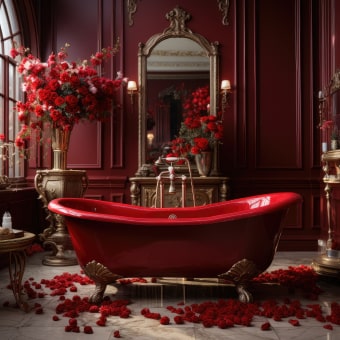
Color is moving toward warm neutrals—sand, clay, mushroom—paired with grounded accents like olive, ink blue, or oxblood. This direction tends to feel calmer than high-contrast black-and-white, and it plays well with both vintage and modern shapes.
Materials are trending matte and tactile: plaster-like walls, limewash looks, ribbed glass, slub linens, and natural-stone visuals. Even if a full wall treatment isn’t practical, small touches can deliver the same vibe—matte ceramic lamps, textured vases, or a softly nubby throw.
Wood tones are warming up too. Medium and warm woods are returning, often mixed rather than perfectly matched, which makes rooms feel collected over time. Metal finishes are also softening: brushed and aged finishes read warmer than high-shine chrome. Mixing metals can look intentional when one finish is clearly dominant and the other appears in smaller supporting moments (like a mirror frame or a lamp base).
Sustainable design choices that still look elevated
The most responsible update often starts with what already exists. Repaint, reupholster, refinish, or reconfigure your layout before bringing in something new. These changes can dramatically shift the feel of a room while keeping bulky items out of the waste stream.
When buying, choose durability over novelty: timeless shapes, washable fabrics, and materials that patina well. If paint is part of the plan, look for lower-emission options and ventilate well; the EPA’s overview of VOCs and indoor air quality is a helpful baseline for understanding what “low-VOC” can mean in practice.
Secondhand and vintage pieces can add instant character with a lower footprint—especially solid wood, mirrors, art, and accent seating. For new wood products, credible sourcing matters; the FSC certification is one widely recognized signal for responsible forest management. Finally, design for adaptability: modular storage, movable lighting, and multipurpose pieces reduce the urge to replace as needs change.
Room-by-room updates with the biggest payoff
Living room
Bedroom
Kitchen
Bathroom
Entryway
Make trends last: a simple decision filter
Helpful picks for a trend-literate refresh
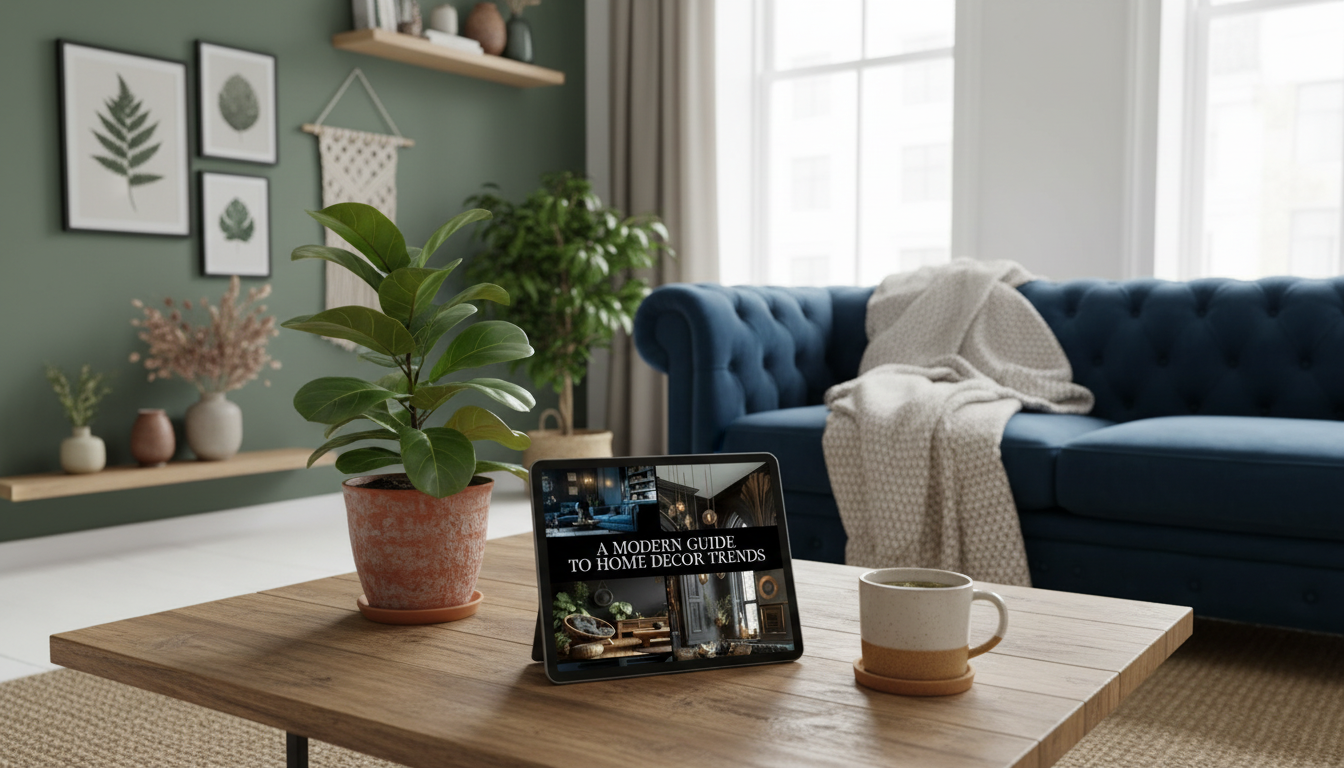
If a faster-moving trend cycle makes decisions feel scattered, a focused reference can help translate inspiration into practical choices for real rooms. A Modern Guide to Home Decor Trends (Digital eBook) is built to support cohesive updates—especially when you’re comparing materials, finishes, and lower-impact options.
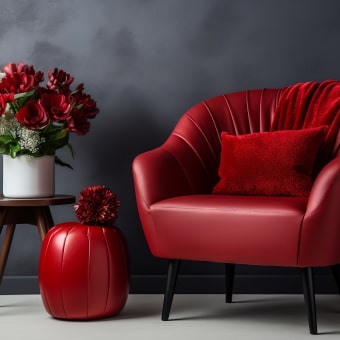
For a statement piece that leans into “quiet luxury,” consider grounding a reading corner or bedroom nook with a warm, tactile seat like the Elegant Ebony Genuine Leather Rocking Chair. One well-made accent can carry more style than a dozen small, disposable decor swaps.
FAQ
How can a home feel trendy without constantly redecorating?
Update lighting, textiles, and small decor first, and keep big furniture timeless. Use one seasonal accent color (pillows, throws, or art) and focus on reversible changes like hardware swaps or removable covers.
What are the most sustainable ways to update a room?
Start with repainting, refinishing wood, and reupholstery before buying new. When you do shop, prioritize secondhand/vintage, durable materials, and lower-VOC finishes where applicable.
Which home decor trends tend to last the longest?
Warm neutrals, natural materials, layered lighting, mixed vintage/modern pieces, and quality craftsmanship usually age well. Trends based on highly specific novelty shapes or ultra-saturated “moment” colors tend to date faster.








Leave a comment