Lose 20 Pounds in 30 Days: Safe, Simple Daily Plan
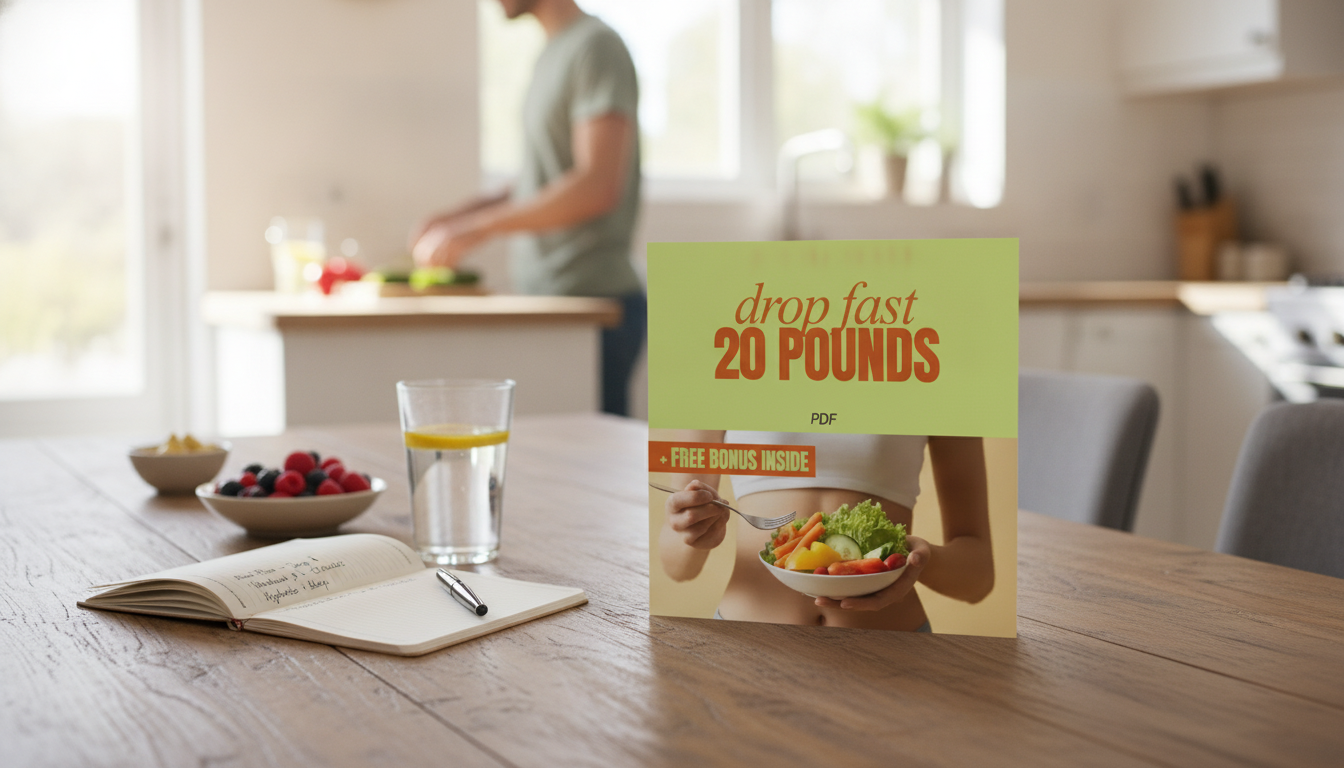
Losing a significant amount of weight in 30 days requires structure, honest expectations, and a plan that supports energy, sleep, and consistency. The goal is clear daily actions that add up—so progress feels measurable and sustainable rather than chaotic. If “drop 20 pounds fast” is the target, this 30-day roadmap prioritizes safety guardrails, protein-first nutrition, smart training, and recovery habits that help you stay consistent.
Start With Clear Expectations and Safety Guardrails
“20 pounds in a month” can represent a mix of fat loss plus water-weight shifts from glycogen, sodium, and digestion changes—especially in the first 7–10 days. That doesn’t make the progress “fake,” but it does mean scale changes won’t always reflect pure body-fat loss day to day.
Set a minimum safety baseline: avoid extreme calorie cuts that lead to dizziness, binge-restrict cycles, mood swings, or training crashes. If you’re pregnant/postpartum, have a history of eating disorders, uncontrolled diabetes, heart or kidney disease, or take medications that affect appetite or hydration, don’t attempt an aggressive timeline without medical supervision.
To keep motivation steady, track 2–3 markers beyond the scale: waist measurement (weekly), progress photos (weekly), average daily steps, gym performance (reps/loads), and sleep duration. For general weight-loss guidance and safety considerations, review the CDC’s recommendations and the NIH/NIDDK guidance on choosing safe programs.
Your 30-Day Framework: The Four Levers That Drive Results
Fast momentum comes from controlling a few high-impact variables instead of changing everything at once:
- Calorie deficit: create a consistent weekly deficit using portion control and food quality, not starvation.
- Protein-first meals: prioritize lean protein to support fullness and preserve lean mass during a deficit.
- Daily movement: pair structured workouts with a step target to increase total daily energy burn.
- Recovery: protect sleep and stress management to reduce cravings, support training, and improve adherence.
| Lever | Daily target | Quick ways to hit it |
|---|---|---|
| Protein | 25–40 g per meal (2–4 meals) | Greek yogurt, eggs, chicken/turkey, tofu/tempeh, protein shake |
| Steps | 8,000–12,000 | 10-min walks after meals, park farther, walking meetings |
| Training | 30–60 min most days | 3–4 strength sessions + 2–3 cardio sessions |
| Sleep | 7–9 hours | Consistent bedtime, dark/cool room, caffeine cutoff |
Nutrition That Feels Clear: Simple Rules for Fast Momentum
A clean, repeatable approach beats a complicated plan. Build each meal around protein + produce plus a controlled portion of carbs or fats. That structure helps hunger, energy, and consistency.
- Cut “invisible” extras: sugary drinks, alcohol, creamy sauces, frequent snacking, and unmeasured nuts/oils can erase a deficit quickly.
- Use a repeatable weekday menu: fewer decisions means fewer slip-ups. Keep variety for weekends without losing the basics.
- Keep fiber and hydration steady: it improves fullness and reduces scale noise from constipation and water retention.
- Plan for social meals: decide ahead of time on one indulgence (dessert or drinks, not both) and anchor the meal with protein.
Plug-and-play meal templates (mix and match)
- Breakfast: Protein + fruit/fiber (eggs + berries; Greek yogurt + chia + banana)
- Lunch: Lean protein + big salad/veg + carb portion (chicken salad + quinoa; tuna + veggie soup + bread slice)
- Dinner: Protein + vegetables + controlled fats (salmon + roasted veg; tofu stir-fry with measured oil)
- Snack (optional): Protein + crunch (cottage cheese + cucumber; protein shake + apple)
Training Plan: Strength First, Cardio Strategically
Strength training 3–4 days per week helps maintain muscle while you diet, which supports metabolism and keeps your physique looking “tight” as the scale moves. Base sessions around big patterns: squat/lunge, hinge, push, pull, carry, and core stabilization.
Add cardio 2–3 days per week. Mix moderate steady-state with short intervals depending on fitness and recovery. Finally, treat steps like a daily non-negotiable—many “stalls” are really a drop in total movement. For training principles that support weight loss, see the American College of Sports Medicine overview.
Sample week (repeat for 4 weeks with progressive effort)
- Mon: Strength A (full body) — moderate weights, 45–60 min
- Tue: Cardio + steps — 30–45 min moderate + walk after meals
- Wed: Strength B (full body) — add 1–2 reps on key lifts
- Thu: Active recovery — mobility + 8k–12k steps
- Fri: Strength C (full body) — finish with core + carries
- Sat: Intervals or long walk — short intervals OR 60–90 min brisk walk
- Sun: Reset day — meal prep, light movement, early bedtime
Progression rule: each week, add a little weight, a few reps, or an extra set—without sacrificing form or recovery.
Week-by-Week Roadmap: Confidence Through Small Wins
Common Stalls and How to Fix Them Without Panic
Make It Easier: A Simple Guide You Can Follow Day by Day
If you want a single resource that ties meal structure, habit-building, and training alignment into one 30-day push, consider the Drop 20 Pounds Fast with Confidence and Clarity – How to Lose 20 lbs in a Month Guide. For better recovery routines at home (reading, journaling, breathwork, or simply winding down earlier), an ergonomic rest setup can help—see the Elegant Ebony Genuine Leather Rocking Chair.
FAQ
Is it safe to lose 20 pounds in a month?
It depends on your starting weight, health status, and how the loss occurs—early scale drops can include water weight. Prioritize protein, hydration, strength training, and avoid extreme restriction; higher-risk individuals should get medical guidance first.
Why did the scale stop moving even though eating is consistent?
Water retention from sodium, stress, poor sleep, menstrual cycle shifts, workout soreness/inflammation, or constipation can mask fat loss temporarily. Track weekly averages and adjust only one variable (like steps or portions) after 7–10 stable days.
What should the first week look like to build momentum?
Focus on protein-first meals, remove liquid calories, increase steps daily, follow a simple training schedule, and lock in a consistent sleep routine. A repeatable weekday menu makes it much easier to stay on track.
















Leave a comment