Modern High-End Living Room Styling: Quiet Luxury Tips
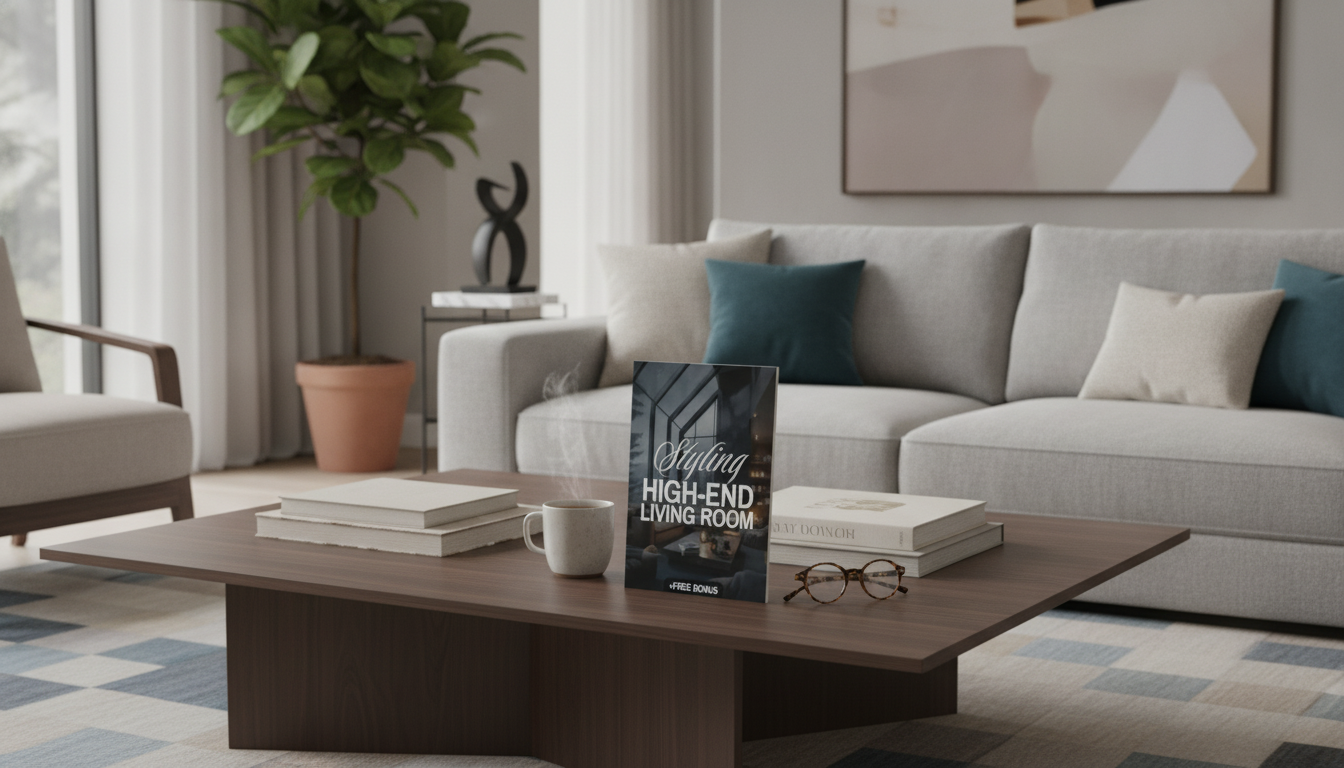
Styling a High-End Living Room: Modern Luxury Details That Feel Effortless
A high-end living room reads as calm, intentional, and layered—where every piece looks chosen, not collected. The goal is less “more stuff” and more proportion, negative space, refined materials, and lighting that flatters everything in the room. Use the framework below to create a modern luxury look with elegant, livable results.
What Makes a Living Room Look High-End
Luxury is rarely about a single expensive item. It’s about the way the room is composed—scale, restraint, and finish quality working together.
- Scale and proportion lead the eye: a properly sized rug, substantial seating, and a coffee table that visually anchors the center.
- A restrained palette with controlled contrast: warm neutrals, soft blacks, and one or two accent tones repeated with purpose.
- Material mix that feels expensive: wood + stone + metal + textiles, balanced between matte and subtle sheen.
- Intentional negative space: breathing room around key pieces so silhouettes look architectural.
- Lighting as a finish: layered sources that create depth and a flattering evening ambiance.
Start With the Layout: The Fastest Path to a Polished Look
Before swapping pillows or buying décor, lock in the layout. A room can have beautiful pieces and still look “off” if spacing and alignment aren’t handled first.
- Define the focal point (fireplace, view, statement art, or a media wall) and align the main seating to it.
- Float furniture when possible: pull the sofa and chairs off the walls to create a designed conversation zone.
- Keep walkways clear: aim for comfortable circulation paths around the seating group and between doorways.
- Use symmetry selectively: matching lamps or chairs can create instant elegance without feeling formal.
- Leave “quiet zones”: one wall or corner with fewer objects helps the room feel curated rather than crowded.
Comfortable spacing guidelines for a refined living room
| Element | Recommended spacing | Why it looks better |
|---|---|---|
| Sofa to coffee table | 14–18 in (36–46 cm) | Close enough for function; airy enough for elegance |
| Rug size under front legs | Front legs of all seating on rug | Unifies the grouping; feels expansive |
| Side table height vs. seat | Within 2 in (5 cm) of seat height | Reads tailored; easier to use |
| Lamp shade bottom height | Around eye level when seated | Prevents glare; creates a soft glow |
| Art above sofa | 6–10 in (15–25 cm) above | Keeps visual connection; avoids “floating” art |
Choose a Cohesive Palette and Repeat It Strategically
Modern luxury is usually quiet: fewer colors, better materials, and repetition that feels deliberate. If you want help keeping the choices consistent from big pieces to finishing touches, the Styling High-End Living Room eBook (digital download) is an easy reference for pulling a room together without overcomplicating it.
- Pick a base neutral (warm white, greige, taupe) and keep large surfaces consistent: walls, rug tone, or main upholstery.
- Add a dark “grounding” note (charcoal, espresso, matte black) in 2–4 places: frames, table legs, hardware, or a sculptural object.
- Limit accent colors to one or two and repeat them at least three times across the room (pillow + art + book spine works well).
- Use tone-on-tone variation instead of many patterns: different textures in the same color family look elevated.
- Choose metals with intention: mix at most two (e.g., brushed brass + blackened steel) and distribute them evenly.
For precise color matching across paint, textiles, and accessories, referencing a standardized system like Pantone Color Systems and Guides can help keep undertones consistent (especially with warm whites and greiges).
Invest in Texture: The Quiet Luxury Layering Formula
When the palette is restrained, texture carries the room. Think rich-but-subtle surfaces that look good in daylight and even better at night.
- Anchor with a substantial rug: a dense weave or subtle pattern reads richer than thin, high-contrast prints.
- Layer textiles like styling pros: oversized pillows, a draped throw, and curtains that skim the floor.
- Mix finishes: matte ceramics, honed stone, bouclé or mohair, plus a touch of reflective metal for dimension.
- Keep patterns low-contrast: stripes, micro-geometrics, or tonal abstracts rather than loud motifs.
- Use one “hero texture” (stone table, velvet chair, or leather accent) and let supporting textures stay understated.
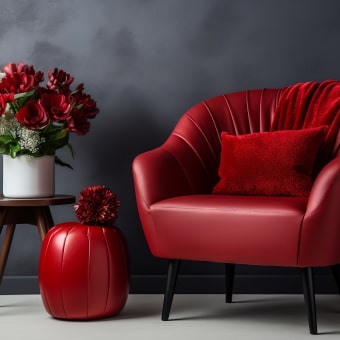
A leather accent instantly communicates tailored luxury—especially in a deep, grounding tone. A piece like the Elegant Ebony Genuine Leather Rocking Chair can serve as that “signature” texture while staying timeless.
Styling Surfaces: Coffee Table, Console, and Shelves Without Clutter
High-end styling is more about editing than decorating. The goal is weight, spacing, and containment—so surfaces feel designed, not busy.
Lighting That Creates Depth: A High-End Room’s Secret Weapon
For deeper lighting guidance and best practices, the IES Lighting Handbook is a widely recognized reference in the lighting industry.
Statement Pieces That Signal Luxury (Without Overdoing It)
If you’re incorporating wood furniture, gentle care helps it keep that “new, expensive” look longer. The National Park Service guidance on caring for wood and furniture offers practical preservation principles worth borrowing for everyday upkeep.
A Step-by-Step Plan to Pull It All Together
FAQ
What are the quickest changes that make a living room look more high-end?
Upgrade the rug scale, add layered lighting with warm bulbs and dimmers, and swap in richer textiles (pillows, throws, and curtains). Then edit clutter by using trays and choosing fewer, larger décor pieces.
How can a modern living room feel luxurious without looking cold?
Use warm neutrals, natural textures (wood, wool, bouclé, leather), and soft curves to balance clean lines. Warm, dimmable lighting and one organic element like greenery or branches keep the space inviting.
How many decor items should be on a coffee table?
Aim for 3–7 items grouped into 1–2 arrangements, usually anchored by a tray or a small stack of books. Leave open space so the table still feels functional and visually calm.








Leave a comment