Handmade Rattan Corner Floor Lamp: Warm Modern Glow
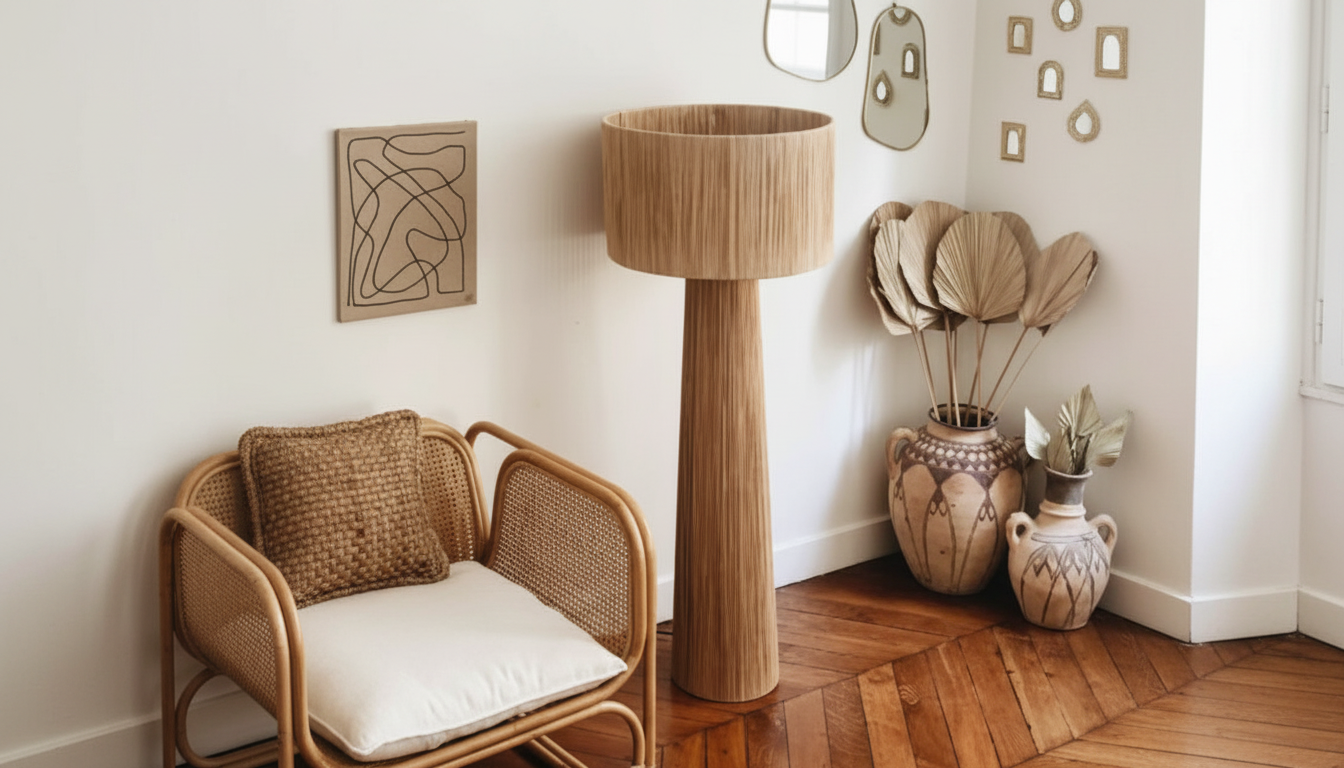
Modern Handmade Rattan Floor Lamp: A Corner Light Fixture That Doubles as Decor
A sculptural rattan floor lamp can soften a room with warm texture while adding a gallery-like statement in an unused corner. Natural weave brings visual depth that painted metal or plain fabric shades can’t quite replicate, especially when the lamp is tall enough to “complete” the vertical space between low furniture and the ceiling. Below is a practical guide to what makes a handmade rattan lamp special, where it looks best, how to choose bulbs for the right mood, and how to care for natural fibers over time.
What makes this corner lamp feel like functional art
Handmade rattan is inherently expressive. Instead of a perfectly uniform surface, you’ll notice subtle variation in weave tension and tone—details that read as craftsmanship and make each lamp feel personal in the space.
Because the shade is woven rather than solid, light can escape through tiny openings and cast gentle patterns on nearby walls. This creates dimension without adding another wall hanging or extra decor, which is especially helpful when you want a corner to feel styled but not busy.
Finally, a tall floor profile brings balance. It visually “finishes” an empty corner and offsets the low, horizontal lines of sofas, lounge chairs, and sideboards—an easy way to make a room feel more intentional with a single piece.
If you’re looking for a statement option designed specifically for corners, consider the Modern Handmade Rattan Floor Lamp – Artistic Corner Light Fixture as a warm, sculptural anchor.
Materials and build: rattan, structure, and finish
Rattan is a natural fiber, so slight color differences are normal. Those shifts—honey, sand, and light caramel tones—tend to add character over time rather than looking like flaws. What matters most is how the lamp is built underneath the weave.
Start with stability. A corner lamp often sits near walkways, sofa arms, or entry paths, so the base should feel planted and level. Next, check the internal support: a firm frame helps the woven shade maintain its silhouette rather than sagging or twisting after months of use.
A protective finish (or well-sealed rattan) is another practical detail. It helps reduce snagging, smooths the feel of the fibers, and makes routine dusting much easier—important in homes with pets, kids, or open windows that bring in extra dust.
Quick guide to rattan lamp details
| Detail | Why it matters | What to look for |
|---|---|---|
| Weave density | Controls glare and shadow pattern | Even spacing without sharp splinters or loose ends |
| Frame support | Keeps the shape over time | Rigid structure; shade doesn’t wobble when lightly tapped |
| Base stability | Reduces tipping risk in corners and walkways | Low center of gravity; sits flat without rocking |
| Surface care | Affects longevity and appearance | Smooth finish that can be dusted without catching fibers |
Light quality and atmosphere
Rattan naturally warms the perceived color of light, which is why it’s so effective for mood lighting. For a cozy glow, choose warm-white LED bulbs (often in the 2700K–3000K range). The shade will soften the brightness and keep the corner feeling calm rather than clinical.
If you plan to read nearby, treat a woven shade as primarily ambient lighting. You can either choose a brighter LED bulb (while staying within the lamp’s maximum rating) or pair the floor lamp with a focused task light on a side table. This layered approach prevents eye strain and avoids over-brightening the entire room just to make a page readable.
Dimming is another easy upgrade, but it depends on the bulb and switch setup. Confirm that your bulb is labeled dimmable and that your dimmer (if you add one) is compatible with LEDs to reduce flicker and maintain smooth control. For general LED guidance, the U.S. Department of Energy’s overview is a helpful reference: https://www.energy.gov/energysaver/led-lighting.
Best placement ideas for corners and small spaces
Living room: Place the lamp behind or just beside a sofa to add height and soften the edge of the seating zone. A corner placement works well when the lamp’s glow can wash a wall lightly, creating a more spacious feel without taking up much floor area.
Bulbs, safety, and everyday use
LED bulbs are the best everyday choice for rattan shades because they use less energy and run much cooler than incandescent options. ENERGY STAR offers a straightforward LED overview that’s useful when comparing bulb types: https://www.energystar.gov/products/lighting_fans/light_bulbs.
For broader information about lighting product safety and certification, UL’s lighting resources are a credible reference point: https://www.ul.com/services/lighting.
Care and maintenance for natural rattan
Styling pairings that complement a rattan corner lamp
One easy living-room pairing is to position a statement lamp near a classic seat with rich materials—like the Elegant Ebony Genuine Leather Rocking Chair. The smooth leather and dark wood create a grounded counterpoint to the lamp’s light, woven texture.
FAQ
Does a rattan floor lamp provide enough light for reading?
Many rattan shades diffuse light for ambiance rather than focused reading. For reading nearby, use a brighter warm LED bulb (within the lamp’s rating), place the lamp closer to the seating area, or add a dedicated task light to reduce shadows.
Are LED bulbs safer to use with rattan shades?
Yes—LED bulbs generally run cooler than incandescent bulbs, which helps protect natural rattan fibers over time. Always follow the lamp’s maximum wattage guidance and avoid high-heat bulbs to reduce stress on the shade and socket area.
How do you clean a handmade rattan lamp without damaging it?
Dust with a microfiber cloth or use a vacuum brush on low suction to keep fibers from snagging. For spots, wipe with a barely damp cloth, avoid soaking the weave, and let the shade fully dry before turning the lamp back on.









Leave a comment