Less Is Luxe: Minimal Wardrobe Formulas That Work
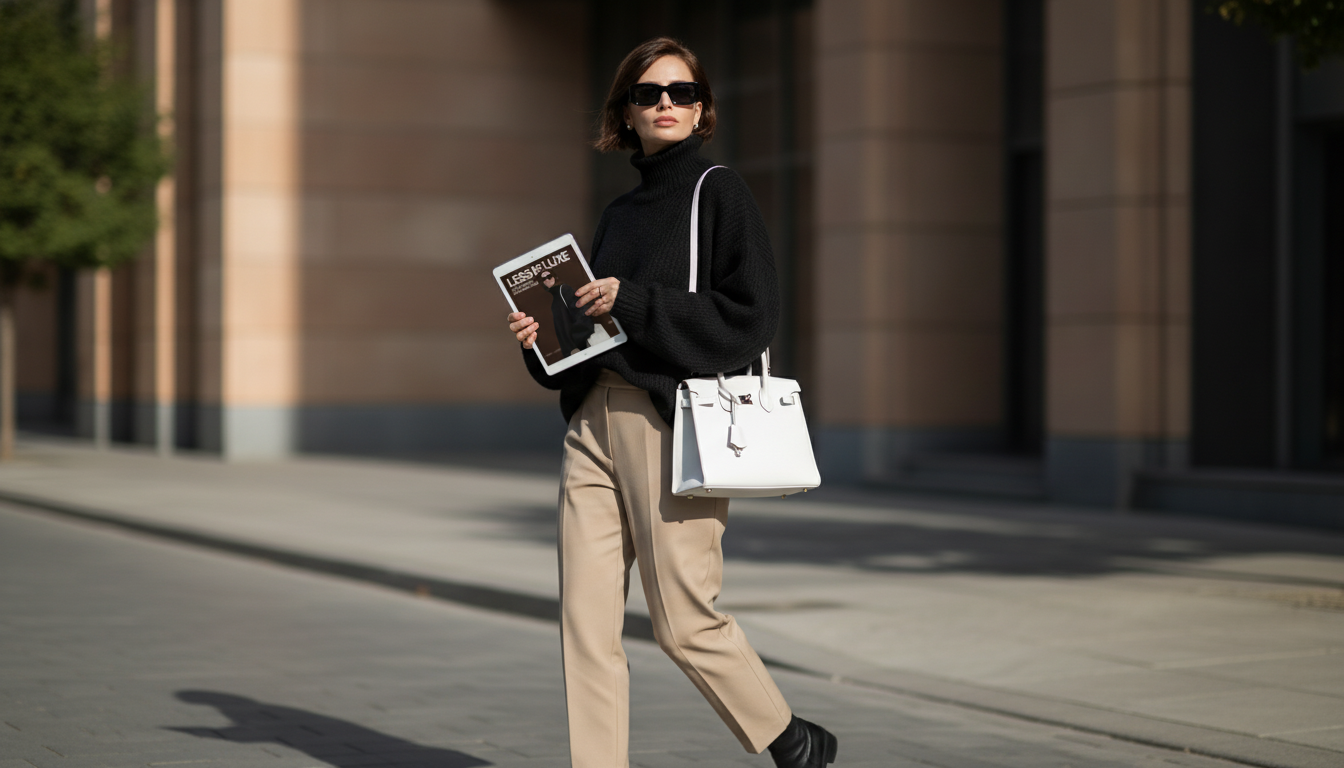
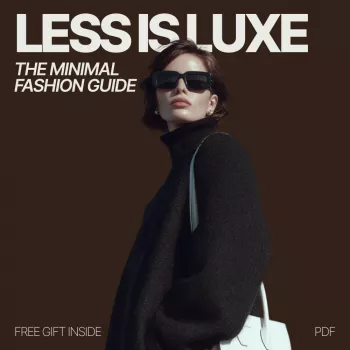
Less Is Luxe: Minimal Style That Feels Personal, Not Plain
A minimal wardrobe doesn’t mean sacrificing personality—it means choosing fewer pieces that work harder, fit better, and style together without friction. The “Less Is Luxe” approach is built for anyone who wants a refined closet with repeatable outfit formulas, smarter shopping decisions, and a look that stays modern year after year.
If your closet feels full but getting dressed still feels complicated, minimal dressing offers a practical reset: less noise, more clarity, and outfits that look intentional on regular days—not just on special occasions.
What “Less Is Luxe” Means in Everyday Dressing
Minimal style becomes “luxe” when the focus shifts from quantity to quality and from novelty to consistency. Instead of chasing constant micro-trends, you prioritize the details that quietly elevate an outfit.
- Prioritizes fit, fabric, and finish over logos and constant trend-chasing
- Creates consistency with a smaller set of silhouettes and colors that always coordinate
- Reduces decision fatigue with repeatable outfit structures you can rely on
- Shifts the focus from “more options” to “better options” that feel right every time
Research on how clothing affects identity and daily behavior supports what minimal dressers already notice: when your wardrobe aligns with your real life, it’s easier to feel confident and “put together” without extra effort. For deeper reading, see Fashion and Textiles (SpringerOpen): The Psychology of Fashion.
Who This eBook Works Best For
Minimal style is especially effective when life moves fast or your needs change. It’s less about having a “perfect” closet and more about building a closet that consistently works.
- Busy schedules: a reliable wardrobe that looks intentional with minimal effort
- Closets full of “nothing to wear”: helps identify gaps vs. duplicates
- Style reset moments: job changes, moving cities, postpartum, body changes, or lifestyle shifts
- Anyone building a long-term wardrobe on purpose, one great piece at a time
What’s Included in the Ultimate eBook
Less Is Luxe: The Minimal Fashion Guide – Ultimate eBook for Timeless, Effortless Style is designed as a practical reference you can revisit whenever you’re shopping, editing, or rebuilding outfits.
- A clear framework for defining a personal uniform without looking repetitive
- Guidelines for choosing a cohesive palette that mixes effortlessly
- Capsule logic: how to pick versatile essentials and avoid “almost right” purchases
- Outfit formulas that translate across casual, work, and evening settings
- Practical editing steps to simplify a closet without over-purging
A Simple Path to a Minimal Wardrobe (Without Starting Over)
Minimal doesn’t require tossing everything and buying a new identity. The fastest wins come from noticing patterns—what gets worn repeatedly, what always looks good, and what never quite works.
- Step 1: Audit what gets worn weekly vs. what only gets worn “in theory.”
- Step 2: Identify the recurring silhouettes already working (jean rise, trouser shape, neckline, hem lengths).
- Step 3: Define 2–3 core shoes/bags that match most outfits.
- Step 4: Fill gaps with high-impact basics (outerwear, knitwear, trousers) before special-occasion items.
- Step 5: Set rules for new purchases: compatibility, cost-per-wear, comfort, and care requirements.
For those who want to align choices with better material impacts, resources like Textile Exchange’s Preferred Fiber & Materials resources and the CFDA Sustainability Resources can help you evaluate fibers, sourcing, and care.
Capsule Wardrobe Starter Checklist
A capsule is less about a strict number and more about coverage: enough variety to meet your week, with enough cohesion to make outfit-building automatic.
- Choose a base palette (2–3 neutrals) plus 1–2 accent colors for cohesion
- Build around repeatable outfits: top + bottom + third piece + shoe
- Keep duplicates intentional (e.g., two tees that truly earn their place), not accidental
- Aim for balanced categories: tops, bottoms, layers, shoes, and one “polish” accessory
Minimal Capsule Starter (Adjust to Climate and Dress Code)
| Category | Core Pieces | Why It Matters |
|---|---|---|
| Tops | 2–3 elevated tees, 1–2 button-downs, 1 knit | Creates easy bases for layering and repeat outfits |
| Bottoms | 1 jean, 1 tailored trouser, 1 casual bottom (skirt or relaxed pant) | Covers casual to polished needs without excess |
| Layers | 1 blazer or structured layer, 1 cardigan/overshirt, 1 coat/jacket | Adds “third piece” polish and temperature flexibility |
| Shoes | Clean sneaker, loafer/flat, boot or heel | Three anchors that handle most occasions |
| Accessories | Simple belt, minimal jewelry set, versatile bag | Finishes outfits without visual clutter |
Outfit Formulas for Timeless, Effortless Style
Outfit formulas are the shortcut to looking consistent without looking the same. You’re repeating a silhouette structure, not repeating identical clothing.
Fabric, Fit, and Finishing Details That Make Minimal Look Expensive
Shopping Rules to Prevent Closet Clutter Returning
How to Use the eBook Week by Week
Product Details and Access
Also Available (Digital + Home Picks)
- How Much Driving Makes a Car Worth It – Practical Guide to Decide How Often Do I Need to Drive to Justify a Car
- 200/2400mm High-Power Astronomical Telescope for Stargazing Enthusiasts
- Elegant Ebony Genuine Leather Rocking Chair
FAQ
Does a minimal wardrobe mean wearing only neutrals?
No—minimal is about cohesion and versatility, not a strict neutral-only rule. Neutrals make mixing easier, but 1–2 accent colors (or a signature shade) can add personality while keeping outfits simple to build.
How many pieces are considered a capsule wardrobe?
Most capsules land somewhere around 25–50 pieces, but climate, lifestyle, and dress code matter more than a fixed number. The goal is coverage: enough items to create repeatable outfits across your real week.
What should be replaced first when upgrading to a more timeless closet?
Start with high-frequency anchors: shoes, outerwear, and your most-worn denim or trousers. Then refine tops and accessories, and use tailoring and better care (steaming, hemming, repairs) to elevate what you already own before buying more.








Leave a comment