Auguste Perret and the Origins of Art Deco Architecture
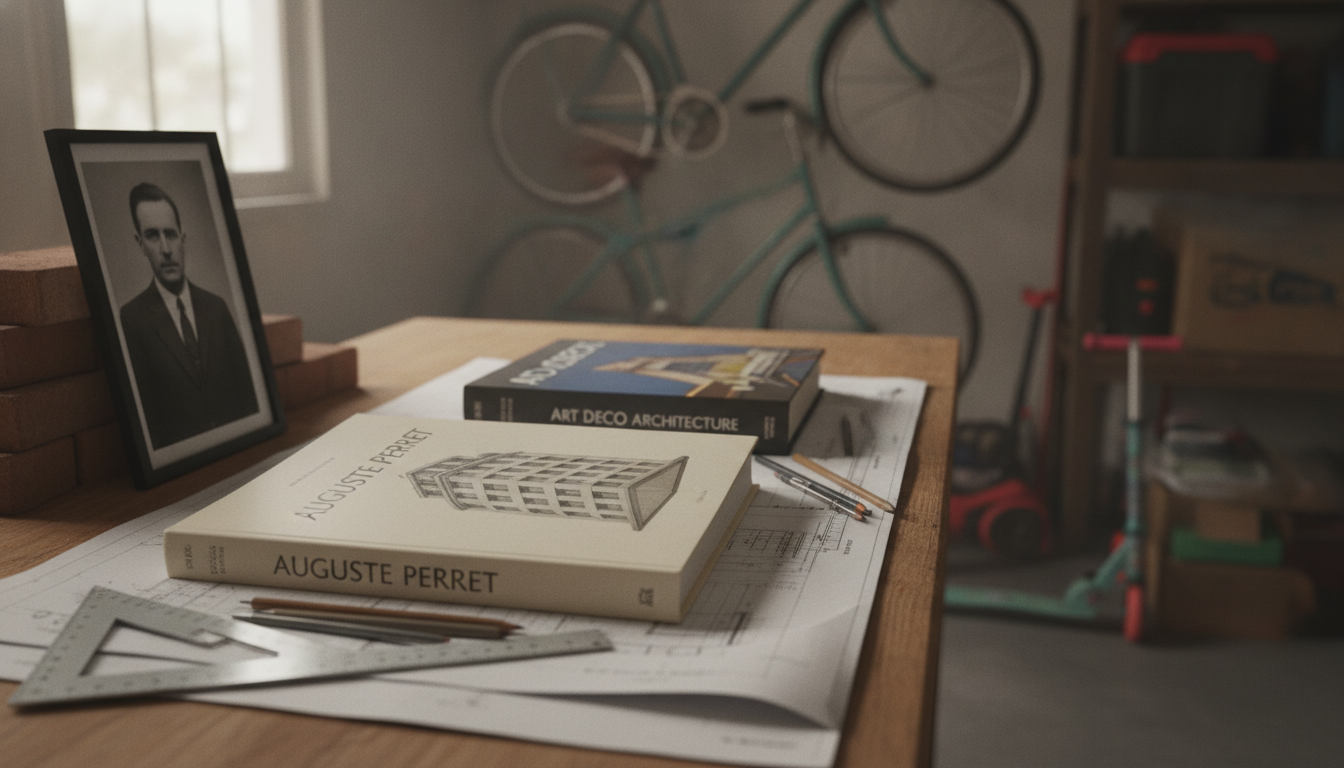
Who is the father of Art Deco architecture?
Art Deco architecture doesn’t have a single universally accepted “father,” but the title is most often associated with Auguste Perret. A pioneering French architect working in the early 1900s, Perret helped define the look and structural logic that later made Art Deco so distinctive—clean geometry, strong vertical lines, and an embrace of modern materials rather than historical revival styles.
Why Auguste Perret is often credited
Perret’s major contribution was showing how reinforced concrete could be both structural and beautiful. Instead of hiding modern construction behind ornament, he made the building’s framework part of the visual identity—an idea that fits neatly with Art Deco’s mix of modernity and decoration. His early concrete buildings in Paris demonstrated a disciplined, elegant approach to form that influenced the next generation of architects as Art Deco gained momentum in the 1920s and 1930s.
Other names frequently linked to Art Deco’s rise
Because Art Deco developed as an international style, multiple designers shaped it at once. In France, Robert Mallet-Stevens helped push a streamlined, geometric modernism in residential and cultural buildings. In the United States, architects like Raymond Hood popularized Deco’s vertical emphasis and dramatic silhouettes in skyscraper design. These figures are sometimes labeled “fathers” or “leaders” of the style in their regions, even if Perret is the most common single-name answer.
How this connects to Art Deco interiors
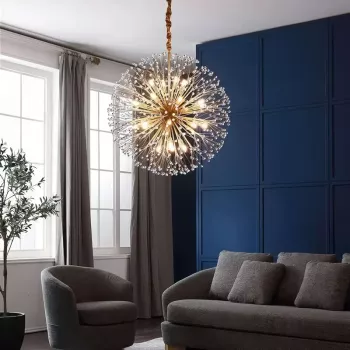
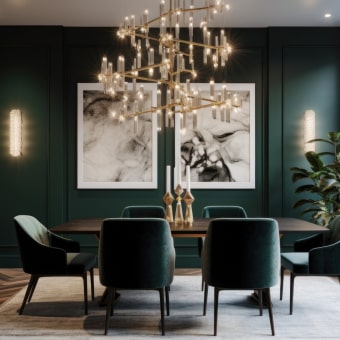
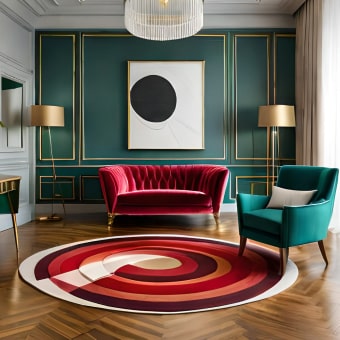
Art Deco architecture and interiors share the same DNA: symmetry, polished surfaces, and a celebration of crafted luxury. That’s why lighting plays such a starring role—tiered forms, crystal accents, and bold silhouettes echo the era’s architectural geometry. For a practical look at how Art Deco style translates into a dining space—especially through statement lighting—visit this Art Deco crystal branch chandelier dining room guide.
FAQ
What are the defining features of Art Deco design?
Art Deco is known for geometric patterns, symmetry, rich materials, and a sleek, modern feel. Common motifs include sunbursts, chevrons, stepped forms, and high-contrast finishes like chrome, glass, lacquer, and stone.











Leave a comment